
Most healthy Indian vegetarian dinner advice fails because it asks you to cook like you have unlimited time. You do not. You get home tired. You want something warm, filling, and not another bowl of sad salad. The good news is that Indian food already has the building blocks for healthy dinners. You just need to shift the proportions on your plate and pick dishes that work with your actual schedule.
This guide gives you ten dinner ideas that are genuinely healthy, plus a simple plate method and small cooking habits that make a real difference. No exotic ingredients. No hour-long prep on a Tuesday.
The Simple Plate Rule That Changes Everything
Before you pick a recipe, understand one thing: healthy Indian dinner is less about what you cook and more about how much of each thing you put on your plate.
A typical Indian thali is often 60 to 70 percent carbohydrates. Rice, roti, and potato take up most of the space while dal and vegetables sit on the side . That balance spikes your blood sugar and leaves you hungry again in two hours.
Flip it. Fill half your plate with vegetables. Fill one quarter with protein like dal, paneer, or sprouts. Fill the last quarter with a small portion of complex carbs like millet, brown rice, or one roti . This single change does more for your health than any fancy recipe.
10 Dinner Ideas That Actually Work
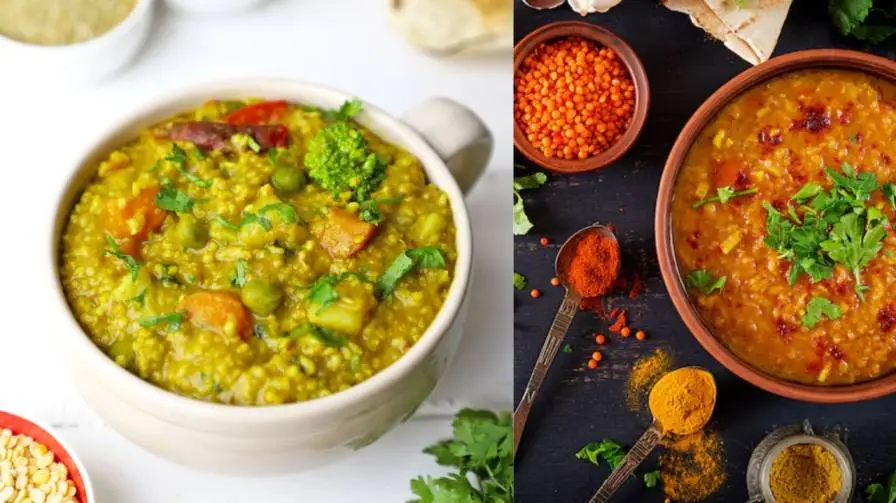
1. Little Millet Khichdi
Khichdi is the original Indian comfort food. Swapping rice for little millet makes it lighter and adds fiber. Cook little millet with a mix of moong dal and masoor dal. Temper cumin, ginger, garlic, and curry leaves in a spoon of ghee. Add onion and tomato, then pressure cook everything together .
Why it works: You get protein from three types of lentils and slow carbs from millet. One pot. Very little cleanup. The fenugreek seeds help with digestion.
Read Also: Traditional German Cuisine Dishes
2. Palak Tofu
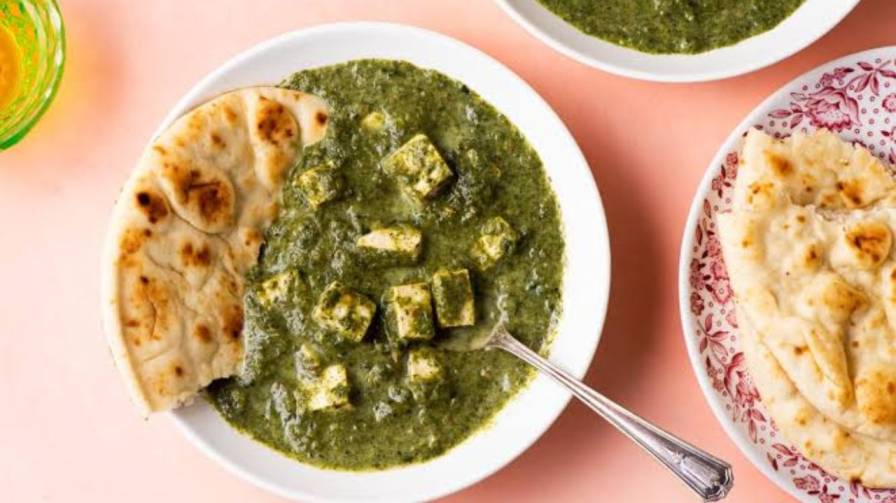
Paneer is wonderful, but tofu works just as well and has less saturated fat. Make a spinach gravy with onion, ginger, garlic, and green chili. Blend it smooth. Pan-fry tofu cubes with turmeric until golden. Mix the tofu into the gravy and finish with garam masala and a squeeze of lime .
Why it works: Spinach gives you iron and vitamins. Tofu gives you plant protein. The lime juice helps your body absorb the iron from the spinach. Serve with one roti or a small bowl of rice.
3. Moong Dal and Paneer Paratha with Ragi Flour
Regular parathas are made with refined wheat flour. This version uses ragi flour, which is high in calcium and fiber. Mix cooked moong dal, crumbled paneer, green chili, and coriander into the ragi dough. Roll and cook on a hot tawa with a little oil .
Why it works: Two parathas give you protein from dal and paneer, plus the fiber and calcium from ragi. Eat them with plain curd or a quick cucumber salad. This is a complete meal in under thirty minutes.
4. Coconut Lentils with Garlic Rice
This one feels a little special but stays simple. Cook lentils with coconut milk, tomato paste, and Indian spices. Make garlic rice by sautéing garlic in a little oil before cooking the rice. Serve the lentils over the rice with steamed broccoli or spinach on the side .
Why it works: Lentils give you protein and fiber. Coconut milk adds richness without cream. The greens on the side fill half your plate. Use brown rice or parboiled rice if you want more fiber.
5. Soybean and Paneer Pulao
Soybeans are one of the highest protein vegetarian foods you can buy. Boil soybeans until soft. Sauté whole spices, onion, and vegetables in ghee. Add soaked rice, soybeans, and paneer cubes. Pressure cook until done .
Why it works: One bowl gives you protein from soybeans, paneer, and the rice-lentil combination. The vegetables add fiber. Serve with raita to cool the spice and add probiotics.
6. Millet and Dal Bowl with Thecha
Cook foxtail millet or little millet with cumin seeds. Make a simple moong dal with turmeric and a garlic tempering. For the thecha, blend coriander, roasted peanuts, green chili, lemon juice, and cumin into a coarse chutney. Arrange millet, dal, and paneer cubes in a bowl. Top with thecha and fresh vegetables like cucumber and carrot .
Why it works: This is the plate method in action. Half vegetables, a quarter protein, a quarter millet. The peanut chutney gives you healthy fat and makes everything taste vibrant.
7. Green Moong Dal and Vegetable Stew
Soak green moong dal for a few hours. Cook it with tomatoes, onion, ginger, and whatever vegetables you have: bottle gourd, carrot, beans, or spinach. Finish with lemon juice and coriander.
Why it works: Moong dal is easy to digest and high in protein. The vegetables add volume and fiber. This is a light dinner that still keeps you full because of the dal. Eat it with one small roti or on its own.
8. Sprouted Moong Salad with Paneer
Sprout moong beans at home. It takes two days but requires almost no effort. Mix sprouts with chopped cucumber, tomato, onion, and coriander. Crumble paneer on top. Dress with lemon juice, roasted cumin powder, and black salt.
Why it works: Sprouting increases the availability of nutrients in the beans. This is a no-cook dinner for nights when you truly cannot stand at the stove. The paneer makes it substantial enough to count as a meal.
9. Ragi Roti with Dal and Sabzi
Make ragi rotis by mixing ragi flour with hot water and a pinch of salt. Roll them thin and cook on a tawa. Eat with any dal and a dry vegetable sabzi like bhindi or cabbage.
Why it works: Ragi is a whole grain with more fiber and calcium than wheat. Two ragi rotis plus dal plus a vegetable sabzi covers all the bases. Keep the sabzi dry so it does not add extra oil.
You May Also Like: Traditional Tamil Nadu Festival Food Recipes
10. Paneer and Vegetable Stir-Fry with Millet
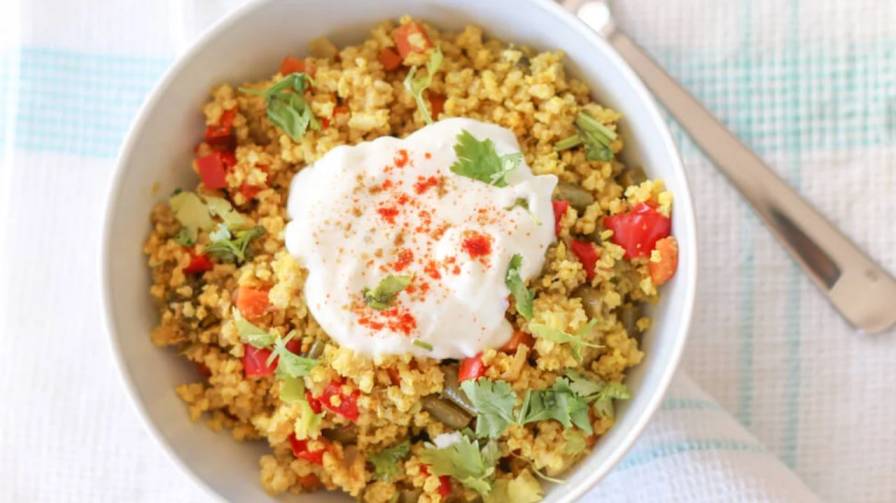
Cube paneer and stir-fry it with capsicum, onion, broccoli, and zucchini in a little oil. Season with black pepper, cumin, and a pinch of garam masala. Serve over cooked millet.
Why it works: This takes fifteen minutes. Paneer gives protein. The vegetables give fiber and color. Millet gives you a base that is lower on the glycemic index than white rice.
Three Small Habits That Make a Big Difference
Soak your dals and grains. Soaking reduces phytates, which are compounds in whole grains and lentils that block your body from absorbing minerals like iron. Even thirty minutes of soaking helps. Fermenting batter for idli or dosa does the same thing and can increase available iron by up to three times .
Add lemon or amla to your meal. Vitamin C dramatically increases how much iron you absorb from plant foods. A squeeze of lemon on your dal or a piece of amla after dinner makes the iron in your spinach, millet, and lentils more useful to your body .
Do not overcook vegetables. Vitamins are lost when you overcook or reheat food multiple times. Cook vegetables until just tender. Eat them the same day. This is not about being fancy. It is about getting what you paid for .
What to Stop Doing?
Stop building dinner around white rice and multiple rotis. That is the single biggest change. You do not need to give up rice or roti. You need to make them the smallest part of the plate, not the biggest.
Stop thinking that healthy means boring. Dal, paneer, millet, and vegetables can be cooked with the same spices you already use. The difference is in the proportion, not in the flavor.
Stop skipping protein at dinner. A dinner of just roti and aloo sabzi leaves you hungry. Add dal, paneer, tofu, or sprouts. Protein keeps you full until morning.
Conclusion
Healthy Indian vegetarian dinner is not a diet. It is a way of arranging food you already eat. Half vegetables. A quarter protein. A quarter millet or one roti. Pick one recipe from this list and cook it this week. Then pick another. Small changes you can repeat beat perfect plans you abandon by Thursday.