
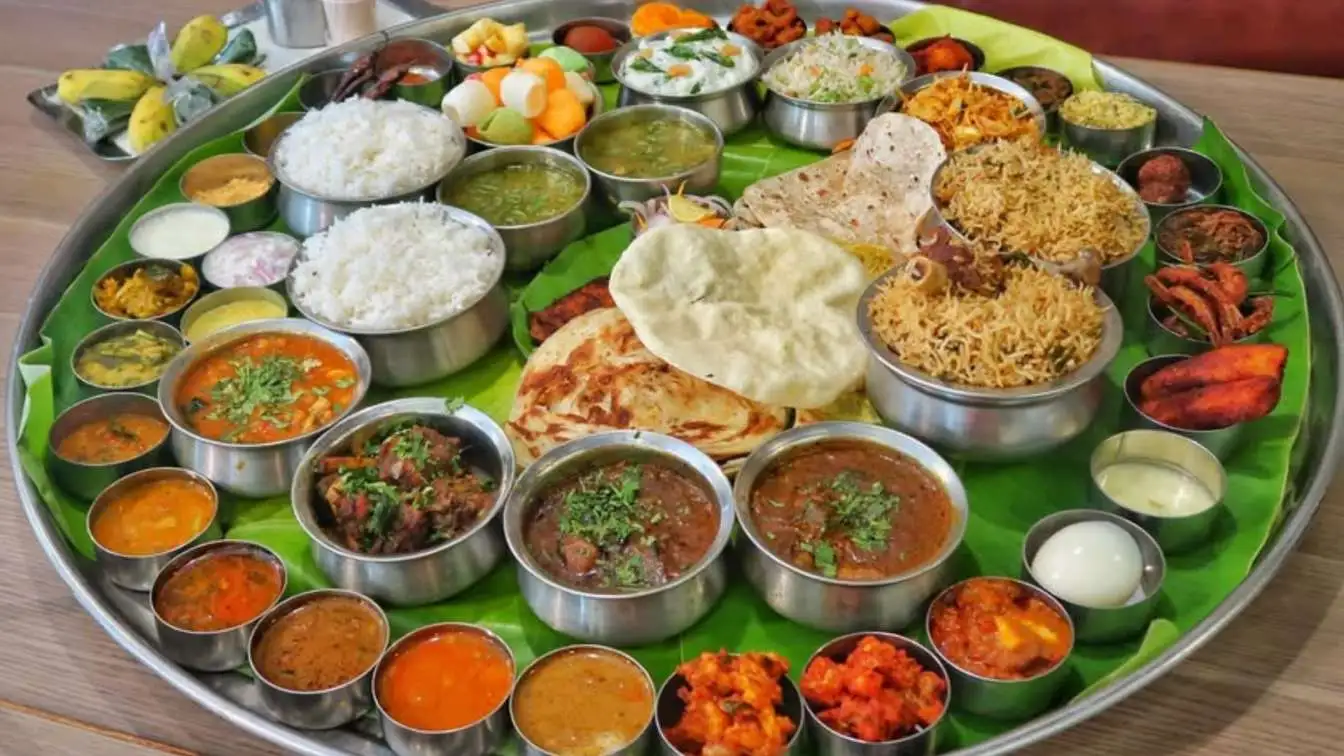
My mother wakes me up at 4 am. She does this every Pongal day. I am still sleepy. But I hear the sound. The sound of milk boiling in the big pot. That sound means festival has started.
I drag myself to the kitchen. The whole house smells of ghee. Fresh ghee. My mother is stirring the milk. She adds rice. She adds dal. She watches the pot carefully.
She is waiting for that one moment. The moment the milk rises. The moment it spills over. That is the best moment. Everyone shouts. Children clap. My father comes running from the hall.
This is Pongal. This is Tamil festival food. This is My Simple Recipe for Sakkarai Pongal.
Why We Cook Special Food for Festivals?
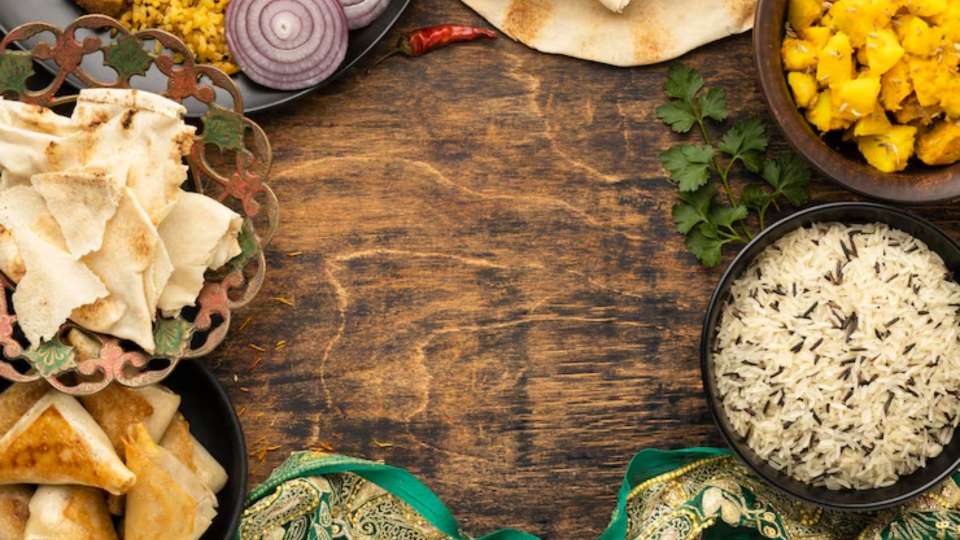
In our house, festival food is different. We do not make simple sambar and rasam. We make dishes that take time. Dishes that need attention. Dishes that our grandmothers made.
My mother says festival food is for God first. Then for family. We cannot rush it. We cannot be lazy. We must put our whole heart.
I remember one year. My aunt was visiting. She offered to help. My mother said no. She said this is her job. She has been doing it since she got married. It is her way of praying.
That is how we see festival food. It is not just cooking. It is praying with our hands.
Read Also: North Indian Veg Dinner Recipes
The First Day - Bhogi
Bhogi is the first day of Pongal. Early morning, people light a bonfire. They throw old clothes. Old mats. Broken things. They burn everything. It means new beginning.
On this day, we make simple food. Rice cooked with pepper. No dal. Only rice. We call it Bhogi Pongal. It is plain. It is humble. It reminds us of simple times.
My father likes this dish. He says it brings back his village days. They would sit on the floor. Eat on banana leaves. Talk about the harvest. Those days were good.
The Main Day - Thai Pongal
This is the big day. This is when we make Sakkarai Pongal. The sweet one. The special one.
My mother starts early. She roasts the moong dal. The smell fills the kitchen. Then she washes the rice. She uses the good rice. The new rice from the harvest.
The milk is boiling. She adds the rice and dal. She stirs. She does not stop stirring. If you stop, it sticks to the bottom. Nobody likes burnt Pongal.
Then comes the jaggery. My mother melts it separately. She strains it. She removes all the dirt. She adds it to the pot. The color changes. White becomes golden brown. Beautiful.
Then she adds ghee. Lots of ghee. She fries cashews. She fries raisins. She adds them too. The final touch is cardamom powder. She grinds it fresh. That is important.
The Pongal is ready. It is thick. It is shiny. It is sweet. But not too sweet. Just right.
We take the pot outside. We place it in the sun. We offer it to the Sun God. My father says a prayer. We all bow our heads. Then we eat. The taste is like heaven.
The Third Day - Mattu Pongal
This day is for cows. In villages, they decorate cows. They paint their horns. They put bells around their necks. They feed them special food.
We make Thalagam on this day. It is a vegetable curry. Many vegetables go into it. Sweet potato. Potato. Yam. Beans. Field beans. All cut into small pieces.
My grandmother made the best Thalagam. She would use a big earthen pot. She would cook it on a wood fire. She said wood fire gives better taste.
I tried to make Thalagam once. I used the gas stove. It was not the same. My grandmother laughed. She said I need practice. She is right.
The Thalagam takes time. The vegetables must become soft. The gravy must become thick. You add tamarind for sourness. You add spices for heat. The combination is amazing.
The Last Day - Kaanum Pongal
The fourth day is for going out. Families go to parks. They go to temples. They meet relatives. They share food.
We make tamarind rice on this day. We call it Puliyogare. It is tangy. It is spicy. It is a little sour. Perfect for a picnic.
My mother makes a special spice powder for this. She roasts coriander. She roasts red chillies. She roasts fenugreek. She grinds everything together. This powder is the secret.
She also adds peanuts. Roasted peanuts. They give a nice crunch. The tamarind paste is thick. The rice absorbs all the flavors. You eat it with your hands. It tastes better that way.
The Nine Nights - Navratri
Navratri is different from Pongal. It comes in September or October. It lasts nine nights. In Tamil Nadu, we set up Golu. Steps with dolls. Beautiful dolls. Stories from our epics.
During Navratri, we make Sundal. Every day a different kind. Chickpeas. Green gram. Peanuts. Black-eyed peas. Each day new taste.
Sundal is simple. But it has rules. Soak the legumes overnight. Boil them. Not too soft. They must hold their shape. Then temper with mustard. Add green chillies. Add curry leaves. Add coconut at the end. Fresh coconut. Grated fine.
People come to see our Golu. We give them Sundal. They eat and talk. They appreciate our dolls. They appreciate our cooking. It is a happy time.
The Sweet Dumplings - Paal Kozhakattai
This is my favorite sweet. My grandmother made it for Ganesh Chathurthi. But sometimes she made it for other festivals too.
Paal Kozhakattai means milk dumplings. The dumplings are made from rice flour. You mix rice flour with water. You make a dough. Soft dough. Then you roll it into small balls.
Some people make them like little crescents. My grandmother made them like tiny moons. She was very good with her hands.
The milk is the special part. You boil milk. You add cardamom. You add saffron. You let it thicken. Then you drop the dumplings. They cook in the milk. They become soft. Chewy. The milk becomes creamy. Sweet.
I used to eat four or five at a time. My mother would stop me. She said I would get a stomach ache. But I never did. Those dumplings were magic.
The Banana Leaf Meal
During festivals, we do not eat on plates. We eat on banana leaves. Fresh leaves. Washed and dried.
The leaf has a system. Each thing goes in a certain place. Sweet on the top left. Pickle on the top right. Rice in the middle. Curries around the rice.
My grandfather taught me this. He said the leaf has a flow. You eat from the right side first. Then the left. You mix everything with your fingers. You taste every bite.
I still follow this. When I eat on a banana leaf, I feel like a child again. I feel my grandfather's presence. That is the power of tradition.
The Stories My Grandmother Told
My grandmother told us stories while cooking. She said every dish has a story. Sakkarai Pongal has a story. Sundal has a story. Even the simple rice has a story.
The Pongal story is about a farmer. He had a cow. He loved that cow. One day the cow got sick. He prayed to the Sun God. The Sun God saved the cow. The farmer boiled milk and rice. He offered it to the Sun God. That was the first Pongal.
The Sundal story is about a princess. Her name was Sathyabama. She was Lord Krishna's wife. She wanted to win his heart. She made a dish with chickpeas. She added coconut. Lord Krishna loved it. That became Sundal.
These stories may not be in history books. But they are in our hearts. They make the food special.
How We Cook Today?
Things have changed. We live in cities now. We have gas stoves. We have pressure cookers. We do not have clay pots. We do not have wood fires.
But we still cook the same recipes. We still use the same ingredients. We still put the same love.
My daughter is twelve. She helps me in the kitchen. She asks questions. Why this spice? Why that method? I tell her what my grandmother told me.
Sometimes she makes mistakes. She adds too much salt. She burns the dal. I tell her it is okay. We learn by making mistakes. She will learn. Just like I learned.
My Simple Recipe for Sakkarai Pongal
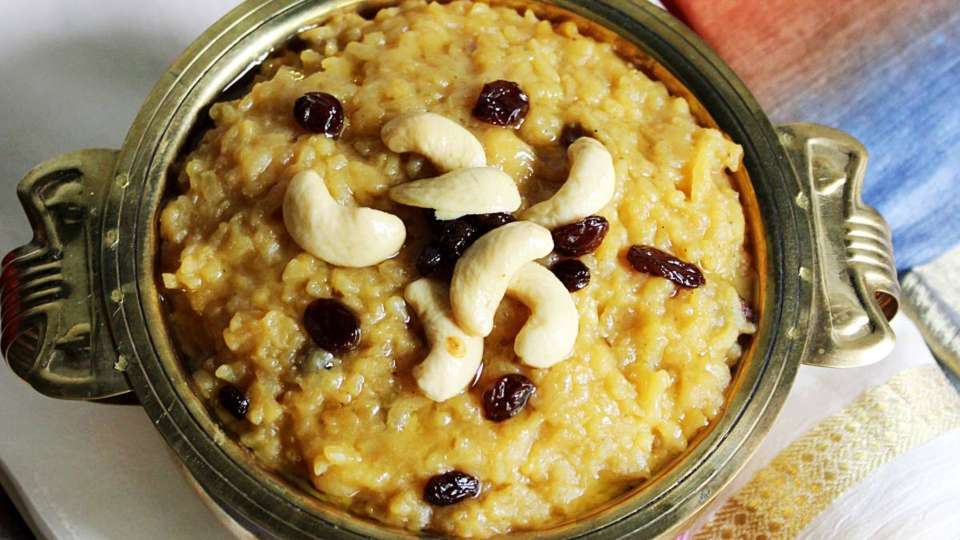
I will share my recipe. It is simple. It works every time.
What you need:
- Raw rice - 1 cup
- Moong dal - small handful
- Jaggery - 3/4 cup
- Ghee - 4 big spoons
- Cashews - few
- Raisins - few
- Cardamom - 4 pods
- Salt - very little
You May Also Like: Traditional Maharashtrian Food Recipes at Home
How to make:
- First, take the moong dal. Roast it in a pan. Keep stirring. It will turn light brown. You will smell it. That is when it is done.
- Wash the rice and dal together. Drain the water.
- Take a heavy pot. Add 3 cups water. Add the rice and dal. Cook until soft. The rice must melt. The dal must melt.
- In another pot, take the jaggery. Add little water. Melt it. Strain it. Remove all dirt.
- Add the jaggery syrup to the rice. Mix well. It will become watery. Do not worry. Keep stirring.
- Add ghee little by little. The Pongal will thicken. It will leave the sides of the pan. That is the sign.
- In a small pan, fry cashews and raisins in ghee. Add them to the Pongal.
- Open the cardamom pods. Take out the seeds. Crush them. Add the powder.
- Mix everything. The Pongal is ready.
My Simple Recipe for Sundal
This is even simpler.
What you need:
- Chickpeas - 1 cup
- Coconut - half cup grated
- Mustard seeds - little
- Urad dal - little
- Green chillies - 2
- Curry leaves - few
- Salt - to taste
- Oil - little
How to make:
- Soak chickpeas overnight. This is important.
- Cook them in a pressure cooker. Three whistles. They must be soft. But not mushy.
- Drain the water. Keep the chickpeas aside.
- Take a pan. Add oil. Add mustard seeds. Wait for them to splutter.
- Add urad dal. Fry until golden.
- Add green chillies. Cut them small. Add curry leaves. Add asafoetida. Fry for one minute.
- Add the chickpeas. Mix well.
- Add salt. Mix again.
- Turn off the fire. Add the coconut. Mix.
- Your Sundal is ready. Eat it hot. Eat it with your hands.
Common Mistakes and How to Fix Them
- I have made many mistakes. Let me tell you so you do not make them.
- Mistake one. Adding too much water to Pongal. It becomes watery. Do not panic. Just keep cooking. The water will evaporate.
- Mistake two. Adding less water. The Pongal becomes dry. Too thick. Add hot water. Mix. It will become fine.
- Mistake three. Burning the dal. This happens when you roast it too long. Do not leave it unattended. Keep stirring.
- Mistake four. Overcooking Sundal. Chickpeas become mushy. This cannot be fixed. Next time cook for less time.
- Mistake five. Adding salt to Pongal. Some people do this. Do not do it. It spoils the sweet taste.
Why We Must Keep These Traditions?
I worry sometimes. Young people are forgetting. They order food online. They eat pizza. They eat burgers. They do not know Pongal. They do not know Sundal.
This makes me sad. Our food is our identity. Our food is our culture. If we forget our food, we forget ourselves.
I teach my daughter. She must learn. She must pass it on to her children. That is how traditions live. That is how our culture survives.
My sister lives abroad. She makes Pongal every year. She invites her friends. They eat together. They ask questions. They learn about Tamil culture. My sister is proud. She is keeping our traditions alive.
What Festival Food Means to Me?
To me, festival food is love. It is my mother waking up early. It is my grandmother telling stories. It is my father saying prayers. It is my daughter asking questions.
It is the smell of ghee. It is the sound of boiling milk. It is the sight of golden Pongal. It is the taste of sweet and savory. It is the feeling of family.
When I eat Sakkarai Pongal, I am not just eating food. I am eating memories. I am eating love. I am eating my culture. I am eating my home.
That is why festival food is important. That is why we must never forget it. That is why I am writing this.
Frequently Asked Questions
What is Pongal festival?
Pongal is a harvest festival in Tamil Nadu. It happens in January. People thank the Sun God for a good harvest. It lasts four days.
What is Sakkarai Pongal?
Sakkarai Pongal is a sweet dish. It is made with rice, moong dal, and jaggery. It is offered to the Sun God. It is the main dish of the festival.
What is Sundal?
Sundal is a snack. It is made with legumes. Chickpeas, green gram, peanuts. Boiled and tempered with spices. Fresh coconut on top. Simple and healthy.
Why do people eat on banana leaves?
Banana leaves are clean. They are eco-friendly. They add a subtle flavor to the food. It is also traditional. Our ancestors ate on leaves.
Can I make festival food without a clay pot?
Yes. Use a heavy bottom pan. The taste is almost the same. The main thing is the ingredients. The main thing is the love.
How long does Sakkarai Pongal stay fresh?
Two days in the fridge. Reheat with a little ghee. Add water if it is too thick. It will taste fresh again.
What if I make a mistake in the recipe?
Do not worry. We all make mistakes. My grandmother made mistakes. My mother made mistakes. I make mistakes. That is how we learn. Just try again.