
Traditional Southern food dishes carry stories that stretch back centuries. They hold the weight of history, the warmth of family kitchens, and the flavors of a region that has always known how to feed people well. When you sit down to a plate of fried chicken, a bowl of collard greens, or a slice of pecan pie, you are tasting something that has traveled across oceans and generations.
This guide walks through the most recognized traditional Southern dishes. It explains where they came from, why they matter, and how they became part of the South's identity. No shortcuts. No surface-level lists. Just the real story behind the food.
What Makes a Dish "Traditional Southern"?
The South is not one place. It stretches from the coastal Lowcountry of South Carolina to the mountains of Appalachia, from the bayous of Louisiana to the plains of Texas. Each area developed its own cooking based on what grew nearby, what people could afford, and who settled there.
What we call traditional Southern food today is a mix of influences. African cooks brought okra, black-eyed peas, and the technique of frying chicken in deep oil. Native Americans taught settlers how to grow and cook corn. Spanish explorers introduced pigs to the region in the 1500s. French, Haitian, and Spanish settlers created Creole cooking around New Orleans.
Food historian Rick McDaniel points out that what many people think of as "down-home Southern food" was actually one of the world's first international cuisines, blending European, Native American, and African influences into something entirely new.
So when we talk about traditional Southern dishes, we are talking about food that came from everywhere and became something unmistakably Southern.
Read Also: Authentic Gujarati Recipes At Home
Fried Chicken
Fried chicken might be the most recognized Southern dish in the world. But its roots are not what most people assume.
The technique of frying chicken in hot oil came from West Africa. African cooks brought this method to the American South through the transatlantic slave trade. The Scots and English had their own ways of frying chicken, but the African method of seasoning the bird, coating it, and frying it in deep fat created something different entirely.
Fried chicken became a staple because it was practical. Chickens were cheap to raise. They could be cooked quickly. And the result was food that tasted good hot or cold, which made it perfect for work lunches and church picnics.
Today, fried chicken shows up on tables across the South. Every family has its own way of doing it. Some soak the chicken in buttermilk first. Some use a simple salt and pepper seasoning. Some add cayenne or paprika to the flour. The variations are endless, but the core remains the same: crispy outside, juicy inside, seasoned all the way through.
Collard Greens
Collard greens are a cornerstone of the Southern table. They are slow-cooked, usually with smoked meat like ham hocks, bacon, or turkey, until they become tender and deeply flavored.
The dish comes from African culinary traditions. Enslaved Africans brought knowledge of cooking leafy greens and used them to create meals that could feed many people with little cost. Over time, collard greens became a symbol of Southern cooking and a regular presence at Sunday dinners.
The liquid left in the pot after cooking greens is called potlikker. During slavery, plantation owners would eat the greens and leave the potlikker for the enslaved, not realizing the broth held most of the nutrients. After slavery, potlikker sustained working-class people, both Black and white. Today, chefs treat potlikker as something valuable, using it in soups and gravies.
Collard greens are often served with cornbread to soak up the potlikker. The combination is simple but deeply satisfying.
Gumbo
Gumbo is Louisiana's signature dish. It is a stew that brings together ingredients from multiple cultures into one pot.
The name comes from a West African word for okra, "ki ngombo." Okra was one of the key ingredients Africans brought to Southern cooking. Gumbo also uses the French technique of making a roux, a mixture of flour and fat cooked until brown. The Choctaw people contributed filé powder, made from ground sassafras leaves, which is used as a thickener.
There are two main types of gumbo. Creole gumbo, associated with New Orleans, often includes tomatoes and a lighter roux. Cajun gumbo, from the rural areas of Louisiana, usually skips tomatoes and uses a darker roux. Both versions typically include the "holy trinity" of onions, celery, and bell peppers.
Gumbo can contain chicken, sausage, shrimp, crab, or oysters. Some versions use all of them. The dish is served over rice and is often made in large batches for gatherings.
Barbecue
Barbecue in the South is not just food. It is a tradition, a competition, and a source of regional pride. But Southern barbecue is not one thing. It changes depending on where you are.
North Carolina is known for pulled pork, often served with a vinegar-based sauce in the eastern part of the state and a ketchup-based sauce in the western part. South Carolina has a distinctive mustard-based sauce. Tennessee is famous for Memphis-style barbecue, which includes both pulled pork and dry-rubbed ribs. Texas barbecue focuses on beef, especially brisket, cooked slowly over wood until it develops a dark crust called bark.
The common thread is the cooking method: meat cooked low and slow over wood or charcoal, allowing time to break down connective tissue and create deep flavor. Whole hog barbecue, where an entire pig is cooked over coals, is one of the oldest forms of Southern barbecue.
Barbecue has always been a community event. The long cooking time meant people gathered while the meat cooked, sharing stories and waiting together.
Shrimp and Grits
Shrimp and grits started as a simple breakfast for fishermen and coastal workers in the Lowcountry of South Carolina and Georgia. Grits, made from ground corn, were cheap and filling. Shrimp were plentiful. Together, they made a meal that could fuel a day of hard work.
The dish evolved over time. In the 1980s, chefs began putting their own spin on it, adding bacon, mushrooms, cheese, or spicy sauces. Today, shrimp and grits appears on menus across the South, from casual diners to fine dining restaurants.
The key to good shrimp and grits is the grits themselves. Stone-ground grits have more texture and corn flavor than instant versions. The shrimp should be cooked just until pink, not rubbery. And the sauce, whether it is a simple pan gravy or something more complex, should tie everything together.
Hoppin' John
Hoppin' John is a dish of black-eyed peas and rice, often cooked with smoked pork. It is traditionally eaten on New Year's Day for good luck.
The dish has African origins. Black-eyed peas were brought to the South from West Africa, and the combination of peas and rice was common in African cooking. Over time, it became a Southern tradition, especially in South Carolina and Georgia.
The name "Hoppin' John" has uncertain origins. Some say it comes from a folk figure. Others say it was a term used for a limping man who sold the dish on the streets of Charleston. The name stuck, and so did the tradition.
On New Year's Day, many Southern families serve Hoppin' John with collard greens and cornbread. The peas represent coins, the greens represent paper money, and the cornbread represents gold. It is a meal meant to bring prosperity for the coming year.
Biscuits
A Southern biscuit is not the same as a biscuit in other parts of the world. It is a soft, flaky bread made from flour, fat, and buttermilk or milk. It is served with butter, jam, gravy, or as the base for a breakfast sandwich.
Biscuits became a Southern staple because the ingredients were easy to find and the method was simple. Wheat flour was available, and buttermilk was a byproduct of butter-making. The result was a bread that could be made quickly and tasted good with almost anything.
There are two main styles of Southern biscuits. One uses butter and is rolled and folded to create layers. The other uses shortening or lard and is dropped by spoonfuls onto a baking sheet. Both have their defenders.
Biscuits and gravy is a classic Southern breakfast. The gravy is usually a white sausage gravy, made from pan drippings, flour, milk, and crumbled sausage. It is poured over split biscuits and served hot.
Cornbread
Cornbread is the South's other bread. While biscuits are made from wheat flour, cornbread is made from cornmeal, which was easier to grow and grind in the South.
Native Americans taught European settlers how to grow and cook corn. Cornbread became a staple because it was cheap, filling, and could be cooked in many ways. Some versions are sweet, especially in the upper South. Others are savory and sometimes include cracklings, which are pieces of fried pork skin.
Cornbread is often served alongside collard greens, beans, or soup. It can be baked in a skillet, which gives it a crispy crust on the bottom and edges. It can also be made into corn pone, a simpler version without eggs or milk, or hushpuppies, which are deep-fried balls of cornmeal batter.
Pecan Pie
Pecan pie is the South's most famous dessert. It is a pie with a filling made from pecans, eggs, sugar, and butter or corn syrup. The result is a sweet, rich, and slightly sticky filling with a crunchy top layer of pecans.
Pecans are native to North America. The name comes from an Algonquian word meaning "nut that requires a stone to crack." Pecan trees grow throughout the South, and the nuts have been used in cooking for centuries.
Pecan pie became popular in the early 20th century, when corn syrup became widely available. The syrup made the filling easier to prepare and more consistent. Today, pecan pie is a standard at Southern Thanksgiving tables and holiday gatherings.
You May Also Like: Authentic Rajasthani Dal Baati Recipe At Home
Banana Pudding
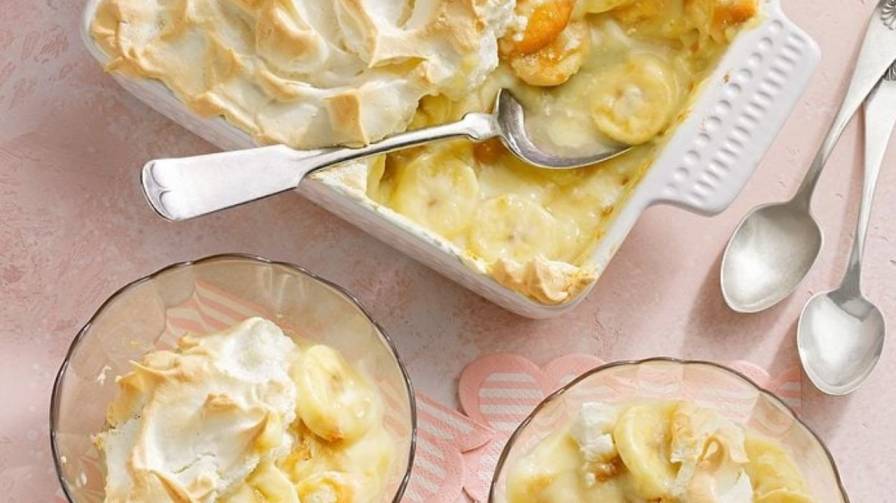
Banana pudding is a layered dessert made with vanilla pudding, sliced bananas, and vanilla wafers. Some versions add whipped cream or meringue on top.
The dish became popular in the South in the early 20th century, when packaged vanilla wafers and instant pudding mixes became available. It is a simple dessert to make, which helped it spread quickly. It is often served at potlucks, church gatherings, and family reunions.
The best banana pudding has layers that sit together long enough for the wafers to soften but not so long that they turn to mush. The bananas should be ripe but not brown. The pudding should be cold and creamy.
Regional Differences in Southern Cooking
The South is too large and too diverse for one style of cooking. Understanding the regional differences helps explain why the same dish can taste completely different depending on where you eat it.
Lowcountry cooking comes from the coastal areas of South Carolina and Georgia. It relies heavily on rice, seafood, and the influence of Gullah Geechee culture. Shrimp and grits, Frogmore stew, and red rice are examples of Lowcountry dishes.
Cajun and Creole cooking developed in Louisiana. Cajun food comes from the Acadian settlers who moved to rural Louisiana. It is rustic and uses a dark roux, smoked meats, and plenty of seasoning. Creole food developed in New Orleans and is more refined, with French, Spanish, and African influences. Gumbo, jambalaya, and étouffée are found in both traditions.
Appalachian cooking comes from the mountain regions. It uses ingredients that could be grown or preserved in the mountains: corn, beans, potatoes, and pork. Dishes like soup beans, cornbread, and stack cakes are part of this tradition.
Texas cooking is influenced by Mexican cuisine as much as Southern traditions. Tex-Mex dishes like chili con carne, queso, and fajitas are part of Texas food culture. Texas barbecue focuses on beef, especially brisket.
Frequently Asked Questions
What is the most traditional Southern dish?
Fried chicken is probably the most recognized. Collard greens, cornbread, and biscuits are also deeply traditional. The answer depends on which part of the South you ask.
Why is Southern food considered unhealthy?
Traditional Southern cooking uses fat, salt, and sugar. These ingredients were practical for people doing hard physical labor and needed energy. Modern lifestyles are more sedentary, so the same food can be too rich for everyday eating. Many Southern cooks now lighten traditional recipes without losing the flavor.
What is potlikker?
Potlikker is the liquid left after cooking greens. It contains vitamins and minerals from the greens and flavor from the smoked meat. It is often soaked up with cornbread.
Is Southern food the same as soul food?
Soul food is a term that came into use in the 1960s to describe the cooking of Black Americans, especially in the South. Southern food includes soul food but also includes cooking from white Southerners, Native Americans, and other groups. The two overlap heavily because Black cooks shaped so much of what we now call Southern food.
Final Thoughts
Traditional Southern food dishes are not just recipes. They are records of who lived in the South, what they had to work with, and how they made something delicious out of it. Every plate of fried chicken, every bowl of gumbo, every slice of pecan pie carries that history.
The best way to understand Southern food is to cook it. Start with a simple recipe. Use good ingredients. Take your time. The South has been cooking this way for centuries, and the food still tastes like home.