
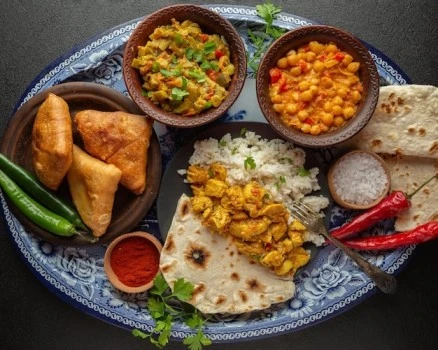
Gujarati food is special. It is not like other Indian food. The taste is different. It has sweet, spicy, and sour flavors all together. This is the heart of Gujarati cooking . People who eat Gujarati food for the first time often feel surprised. The mix of flavors is new. But it makes you want more. This food comes from the western part of India. It is a state called Gujarat. The food there is mostly vegetarian. People use many vegetables, lentils, and grains. They do not use much meat or eggs. This is because of the culture and authentic gujarati recipes at home.
When you cook Gujarati food at home, you feel connected to something old. These recipes are not new. Grandmothers and mothers have made them for many years. Each family has its own way. They add a little more of this spice. They leave out that vegetable. These small changes make every home's food different. That is the real beauty of it. If you want true taste, you need to learn from the home kitchens. Restaurant food is different. It changes things to suit more people. But home food is honest. It follows the real methods.
Gujarat is a big state. The food changes from area to area. In the south, near Surat, the food uses more garlic and green chilies . In the north, near Saurashtra, they use red spices more . Both are delicious. But they taste different. This makes the food of Gujarat very rich. There is no one single Gujarati dish. There are many.
The Secret of Gujarati Cooking
The main thing in Gujarati food is balance. Every dish tries to have all tastes. Sweetness comes from sugar or jaggery. Sourness comes from lemon, tomatoes, or yogurt. Spice comes from chilies and ginger. Salt brings everything together. This balance is what people work hard for. When the balance is right, the food is perfect. When it is not, you can feel something is missing.
Another secret is patience. Gujarati food takes time. It is not fast food. Many dishes need slow cooking. They need the vegetables to break down. They need the spices to mix well. This takes time. But the result is worth it. The flavors get deep. Every bite has many layers.
Using fresh ingredients is very important. People in Gujarat shop every day. They buy vegetables that are in season. They do not use canned things. The taste of fresh vegetables is better. It changes the final dish. Dried spices are also used a lot. Every kitchen has its own spice box. It has cumin, coriander, turmeric, and chilies. These are the base of many dishes.
Read Also: Traditional Sikkim Momo Recipe At Home
Understanding the Food Groups
Gujarati food has some main groups. The first is shaak. This means vegetable dishes. They can be dry or have some gravy. They are eaten with bread or rice. Then there is daal. This is lentil soup. It is thin and soupy. The famous Gujarati daal is sweet and sour. It has jaggery and lemon or tamarind. Then there are snacks. These are called farsan. They are eaten in the evening. They can be fried or steamed. They are light and tasty.
There is also bread. The most common is rotli. It is a flat bread made from wheat flour. In winter, people make bajra rotla. That is made from millet flour. It keeps the body warm. Rice is also eaten. But not every day. In some homes, rice is only for lunch or special days. Every meal has many small things. There are pickles and chutneys on the side. These add a burst of flavor. They wake up the taste buds.
The Winter King
One dish that everyone loves is Undhiyu. This is only made in winter. It uses vegetables that grow in the cold season . The name comes from the Gujarati word undhu. It means upside down. Long ago, farmers used to cook it in an earthen pot. They buried the pot in the ground. They put fire on top. So the cooking was upside down . Now people cook it on the stove. But the process is still slow.
Undhiyu is not a single vegetable. It is a mix of many vegetables. They all cook together. There are purple yams, sweet potatoes, and regular potatoes. There are green beans and green peas. There are raw bananas and small eggplants . There is also muthiya. These are small dumplings made with fenugreek leaves and chickpea flour . These dumplings are either steamed or fried. They add texture to the dish.
The most important part is the green masala. This paste is made from coriander leaves, green chilies, ginger, and coconut . Some people add garlic. Some do not. Every family has its own recipe. This green paste is spread all over the vegetables. It gives the dish its bright color and fresh taste. The vegetables are cooked slowly. They cook in their own water. You do not add much water. The dish is dry. Each vegetable keeps its shape. But they are all coated with the flavor of the masala .
People eat Undhiyu with hot puris. Puris are deep-fried breads. They also eat it with a sweet yogurt dish called Shrikhand. The cold sweet yogurt balances the hot spicy vegetables. This is a classic winter meal. It is eaten during Uttarayan. That is the kite festival in January . Families come together. They fly kites. Then they eat this wonderful meal.
Tea Time Snack
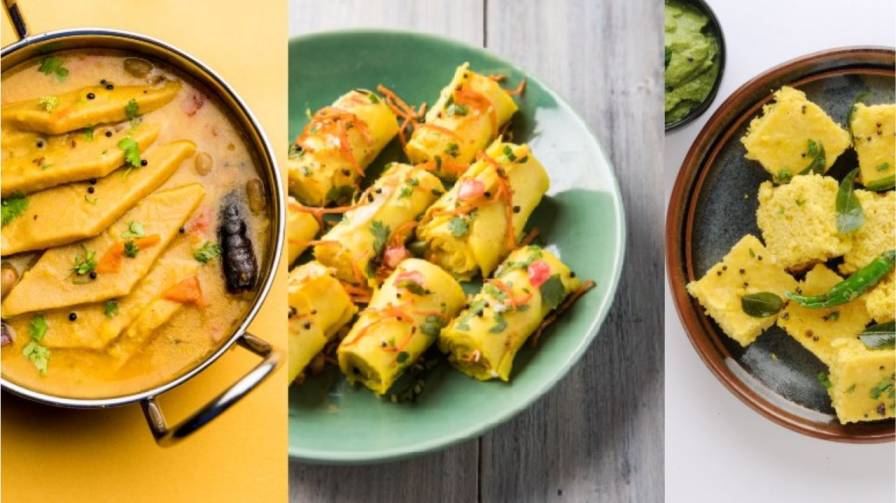
Gujarati people love their snacks. These are called farsan. There is a very popular snack called Khichu. This is made from rice flour. It is a kind of dumpling. It is soft and smooth. You can eat it as a snack. It is also a good evening food. People make it quickly. The ingredients are simple. You need water, rice flour, cumin seeds, and green chilies .
Making Khichu takes some care. You boil water in a pan. You add the spices and salt. Then you add the rice flour slowly. You must stir all the time. If you do not stir, lumps will form. The flour absorbs the water. It makes a smooth mass. This is like a very thick porridge . It becomes a dough. When it cools, you shape it. Some people make balls. Some people pat it flat. Then you pour some hot oil on top. You sprinkle some spicy pickle masala . The taste is wonderful. It is comfort food.
Healthy and Tasty
Many Gujarati dishes are healthy. They are not deep fried. They are steamed or cooked in little oil. One such dish is Muthiya. These are steamed dumplings. They are made from vegetables and flour. A very common one is Lauki Muthiya. Lauki is bottle gourd. It is a long green vegetable. It has a lot of water. It is good for health .
To make Lauki Muthiya, you grate the bottle gourd. You add salt. The salt makes the water come out. You do not throw this water away. It is used to make the dough. You add chickpea flour and semolina to it . There are also spices. You mix it into a dough. Then you shape it into long logs. These are steamed. They become soft and cooked. After steaming, you cut them into pieces. Then you give them a tadka. This means you put some oil in a pan. You add mustard seeds and sesame seeds. You let them pop. Then you add the muthiya pieces and fry them a little. This makes them golden and tasty. They are healthy because they are steamed. But they are also tasty because of the final frying. This is a good balance.
The Pickle
No Gujarati meal is complete without pickle. This is called athana. Pickle is made from vegetables and fruits. They are preserved in oil and spices. The most famous is mixed pickle. It has mango, lemon, carrot, and green chilies . The taste is sweet, sour, and spicy. It all mixes together.
Making pickle is an art. You need the right mix of spices. You use mustard seeds, fenugreek seeds, and fennel seeds. These are dry roasted. Then they are ground. This makes the flavor strong. The vegetables are cut small. They are mixed with the spices. Then they are put in a jar. Oil is poured on top. This keeps the pickle from going bad. For at least one day you let the pickle rest. The vegetables absorb the oil and spices. Then it is ready. A small spoon of pickle changes the whole meal. It gives a kick of flavor.
You May Also Like: Traditional Tamil Nadu Festival Food Recipes
Tips for Success
If you want to cook Gujarati food at home, you need a few things. You need the right spices. You need fresh vegetables. You need patience. Do not try to rush. Let the food cook slowly. The taste will be much better. There are some general rules.
Always use fresh coriander leaves. They are used in many dishes. They are also used for garnish. They give a fresh taste. Use ginger and garlic paste. Many recipes use it. You can make it fresh at home. It is better than buying from the store. Use jaggery for sweetness. It gives a different taste than white sugar. It has a deeper flavor. Use lemon juice for sourness. It gives a fresh acidic kick. Tamarind is also used. It is more sour. But lemon is easier to find.
Cook in a heavy bottom pan. This prevents burning. The food will not stick. It will cook evenly. Do not use too much water. Gujarati food is mostly dry. The vegetables cook in their own juices. This makes the flavor stronger. Add water only if you need to. This is a good way to keep the authentic gujarati recipes at home.
Making It at Home
When you start, pick one dish. Do not try to make many things at once. Start with a simple dish. Khichu is a good choice. It is easy and fast. The ingredients are simple. Once you learn it, you can try more. Then try making Undhiyu on a weekend. It takes time. But it is a special meal. You can invite family or friends. They will be impressed.
Read the recipe fully before you start. Keep all ingredients ready. This is called mise en place. It makes cooking easier. You will not have to search for things. The process will be smooth. Taste the food as you cook. Adjust the salt and spice. Everyone has different tastes. You like more or less of something. That is okay. Change the recipe to suit you.
Cooking is not about being perfect. It is about enjoying the process. It is about feeding people you love. Gujarati food is about love. The recipes came from families. They are shared with kindness. When you cook them, you become part of that tradition. You are keeping it alive. Your kitchen will smell wonderful. The taste will bring happiness. That is the real goal.
These dishes are not just food. They are culture. They are history. They are stories. Each dish has a story to tell. When you make Undhiyu, you are making a winter feast. You are following a tradition that is centuries old. When you make Khichu, you are making a quick snack for the evening. It is something people have done for generations. This is why authenticity matters. It is not just about taste. It is about connection. It is about honoring the past. It is about sharing it with the future.