
Onam is Kerala's biggest festival. It marks the return of King Mahabali. The whole state celebrates for ten days. The main event is the Onam Sadya. This is a grand vegetarian feast served on a banana leaf. A full sadya can have 10 to 30 dishes. Each dish has its own spot on the leaf.
This guide covers the most important traditional Onam recipes. You will learn what each dish means. You will also learn how to make them. I have included the small details that make the sadya special. These are tips I learned from my grandmother and from years of cooking in my own kitchen.
What Makes Onam Sadya Special?
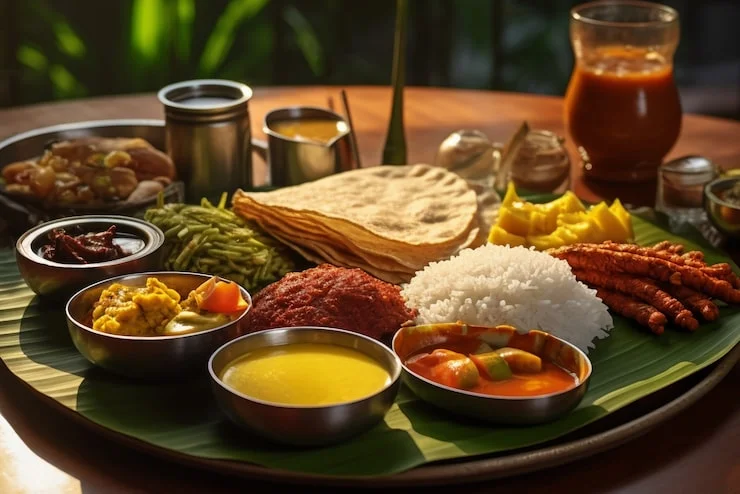
The Onam Sadya is not just food. It is an experience. Each dish brings a different taste. Some are sweet. Some are sour. Some are spicy. Some are mild. When you eat them together, they balance each other.
Take avial for example. It has coconut and many vegetables. Then you have inji thiyal. It is sharp and tangy. It wakes up your tongue. Then comes kalan. It is cool and creamy. It calms everything down. This is how the sadya works. Every dish has a job.
The meal is eaten by hand. The banana leaf is placed with the narrow end to the left. Dishes are served in a set order. Each dish has its own place on the leaf. This is not random. It follows years of tradition.
Thiruvonam is the last and biggest day. In 2026, it falls on August 26. That is when families gather for the biggest feast.
Read Also: Authentic Gujarati Recipes At Home
The Essential Onam Sadya Recipes
1. Kerala Parippu Curry
Parippu curry is the first curry served. It goes right next to a small mound of rice. This dish is simple. But it is very important. It represents prosperity. Most people eat it with a spoon of ghee on top.
Here is what you need:
- Moong dal - 1 cup
- Grated coconut - 1 cup
- Shallots - 6 for grinding, 4 for tempering
- Green chilli - 4
- Cumin seeds - half teaspoon
- Turmeric powder - quarter teaspoon
- Coconut oil - 2 to 3 teaspoons
- Mustard seeds - quarter teaspoon
- Dried red chilli - 2
- Curry leaves - a few
- Salt to taste
Now the method:
First, roast the moong dal in a heavy pan. Do not add oil. Roast until you smell a warm aroma. This takes about 3 to 4 minutes. This step removes the raw smell. It also helps the dal cook evenly. Set it aside to cool.
Next, grind the coconut, cumin, green chilli, and turmeric. Add a little water. Make a smooth paste. Keep it aside.
Cook the roasted dal in a pressure cooker. Add enough water. Cook until it is soft and fully mashed. The dal should blend into the water. It should become a thick base.
Add the ground coconut paste to the cooked dal. Add salt and more water. Mix well. Let it boil for a few minutes. Then remove from heat.
For tempering, heat coconut oil in a small pan. Add mustard seeds. Let them splutter. Add sliced shallots, curry leaves, and dried red chilli. Fry until the onions turn golden. Pour this over the dal. Cover the pot for a few minutes. This lets the flavours blend.
Serve hot with rice.
2. Varutharacha Sambar
Sambar is common in South India. But the Kerala version for Onam is different. It uses freshly roasted coconut and spices. This gives it a deep, rich taste. This sambar is thicker than the regular kind. It is a star dish on the sadya leaf.
Here is what you need:
For the dal and vegetables:
- Toor dal - half cup
- Mixed vegetables - 4 cups (carrot, tomato, potato, small eggplants, drumstick, raw banana, shallots, white pumpkin, green beans)
- Tamarind - a lemon-sized ball
- Green chilli - 1
- Turmeric powder - half teaspoon
- Jaggery - 1 to 2 teaspoons
- Coriander leaves - 2 tablespoons
- Coconut oil - half teaspoon
-
Salt to taste
For the masala paste:
- Coriander seeds - 1.5 tablespoons
- Fenugreek seeds - quarter teaspoon
- Grated coconut - half cup
- Dried red chillies - 4 to 5
- Asafoetida - quarter teaspoon
- Coconut oil - half tablespoon
- Curry leaves - a few
For the seasoning:
- Coconut oil - 1 tablespoon
- Mustard seeds - half teaspoon
- Dried red chilli - 1
- Curry leaves - 1 to 2 sprigs
Now the method:
Soak the tamarind in hot water. Wait 15 minutes. Then squeeze well. Extract the juice. Keep it aside.
Wash the toor dal. Cook it in a pressure cooker. Add water, turmeric, and a little coconut oil. Cook for 3 to 4 whistles. Let the pressure release on its own. Open the lid. Mash the dal until smooth.
Now make the masala paste. Heat coconut oil in a pan. Add coriander seeds and fenugreek seeds. Roast until brown and fragrant. Add dried red chillies, curry leaves, and asafoetida. Mix well. Add the grated coconut. Roast everything on low heat. Wait until the coconut turns golden brown. Remove from heat. Let it cool. Grind to a smooth paste with a little water.
Now cook the vegetables. Add all the chopped vegetables to a large pot. Add enough water to cover them. Add salt and turmeric. Cover and cook until the vegetables are soft. They should be fork-tender.
Once the vegetables are cooked, add the cooked dal. Add the ground coconut paste. Add the tamarind extract. Add salt and jaggery. Mix well. Add more water if needed. Add the green chilli and coriander leaves.
Let the sambar boil for 5 to 10 minutes. Then remove from heat.
For seasoning, heat coconut oil in a small pan. Add mustard seeds. Let them splutter. Add the dried red chilli and curry leaves. Pour this over the sambar. Mix well.
Serve hot with rice.
3. Avial
Avial is the dish most closely linked with Onam Sadya. It brings many vegetables together in one preparation. This has made it a symbol of unity. The vegetables are cooked with coconut and cumin. Then it is finished with coconut oil and curry leaves.
Here is what you need:
- Mixed vegetables - 3 cups (yam, drumstick, pumpkin, raw plantain, carrot, beans, snake gourd)
- Grated coconut - 1 cup
- Cumin seeds - 1 teaspoon
- Green chillies - 3 to 4
- Turmeric powder - half teaspoon
- Coconut oil - 2 tablespoons
- Curry leaves - 2 sprigs
- Salt to taste
- Yoghurt - 2 tablespoons (optional)
Now the method:
Wash and cut all vegetables into long, thin pieces. The traditional cut is lengthwise. Each piece should be about two inches long.
Cook the vegetables with turmeric, salt, and a little water. Cook until soft but not mushy. Drumstick and yam take longer. Add them first. Add softer vegetables like pumpkin and snake gourd later.
While the vegetables cook, grind the coconut, cumin, and green chillies. Make a coarse paste. Do not add too much water. The paste should have some texture.
Once the vegetables are cooked, add the coconut paste. Mix gently. Do not break the vegetables. Cook for 2 to 3 minutes on low heat.
Remove from heat. Add the coconut oil and curry leaves. Mix well. The coconut oil adds a fresh aroma. This is what makes avial special. Some families also add a spoon of yoghurt at the end. This gives a slight tang.
Let it rest for a few minutes before serving. Avial tastes best when it is not too hot.
4. Kalan or Kaalan
Kalan is a thick, tangy curry. It is made with yoghurt, coconut, and vegetables like yam and raw plantain. It is an important dish on the sadya leaf. It has a rich, creamy texture. The sour yoghurt balances the sweetness of other dishes.
Here is what you need:
- Raw plantain - 1 medium, cut into cubes
- Tender yam - half cup, cut into cubes
- Thick sour yoghurt - 2 cups
- Turmeric powder - 1 teaspoon
- Red chilli powder - a pinch
- Black pepper powder - 1 teaspoon
- Roasted fenugreek seeds powder - half teaspoon
- Ghee - 1 teaspoon
- Curry leaves - 1 sprig
- Salt to taste
To grind:
- Grated coconut - half cup
- Cumin seeds - half teaspoon
- Green chillies - 4 to 5
For seasoning:
- Mustard seeds - 1 teaspoon
- Whole dried red chillies - 3
- Coconut oil - 1 teaspoon
- Curry leaves - a few
Now the method:
Wash and cut the vegetables into square pieces.
Grind the coconut, cumin, and green chillies. Add a little yoghurt. Make a thick paste. Do not add water while grinding.
Dissolve the pepper powder in half a cup of water. Strain this water. Use it to cook the vegetables. Add turmeric and red chilli powder. Cook until the water dries up. Add salt and curry leaves. Mix well. Do not add salt until the vegetables are fully cooked.
Add the ghee and mix. Now add the beaten sour yoghurt. Reduce the flame. Let it boil. Stir occasionally. Wait until the gravy thickens. It should have a pouring consistency. Remember that kalan thickens more as it cools. So decide on the consistency accordingly.
Dry roast the fenugreek seeds until golden brown. Grind to a fine powder.
Add the ground coconut mixture to the curry. Stir well. Heat through. Remove from heat. Add the fenugreek powder. Mix well.
For seasoning, heat coconut oil in a small pan. Add mustard seeds. Let them splutter. Add the dried red chillies and curry leaves. Fry until the chillies turn dark brown.
Pour the seasoning over the kalan. Cover the dish for 10 to 15 minutes. This allows the flavours to settle.
Serve with rice. Kalan keeps well in the refrigerator for more than a week. Do not reheat it. Just bring it to room temperature before serving.
You May Also Like: Authentic Rajasthani Food Recipes At Home
5. Inji Thiyal
Inji Thiyal is a unique dish. It brings together sweet, sour, hot, and pungent flavours. It is made with ginger, tamarind, and jaggery. This dish is useful for refreshing the palate between other dishes.
Here is what you need:
-
Ginger - 350 grams, thinly sliced
-
Chilli powder - 3 to 4 teaspoons
-
Tamarind - a small gooseberry-sized ball
-
Jaggery - 2 tablespoons
-
Mustard seeds - half teaspoon
-
Coconut oil - half cup for frying ginger
-
Salt to taste
Now the method:
Heat coconut oil in a pan. Fry the ginger pieces until brown and crispy. When they cool down, grind them coarsely in a mixer. Set aside.
Soak the tamarind in warm water. Use about half a cup. Extract the juice.
Heat oil in a pan. Use the same oil that was used to fry the ginger. Once the oil is hot, add mustard seeds. Let them splutter.
Add the ground ginger. Mix well. Add the strained tamarind extract. Bring it to a boil.
Add the chilli powder and salt. Reduce the heat to low. Cook for another 10 to 15 minutes. Stir occasionally. Wait until the oil separates. Adjust the gravy to the consistency you like.
Add the jaggery. Mix well.
The Inji Thiyal is ready. It can be stored in a refrigerator for at least two weeks.
6. Kootu Curry
Kootu curry is a thick and spicy vegetable curry. It is made with roasted coconut, black channa, yam, and raw plantain. It is an important part of the Kerala sadya. It has a bold flavour and rich texture. The base is a roasted coconut masala. This gives it a deep, slightly smoky taste.
Here is what you need:
-
Black channa - half cup, soaked for 2 to 3 hours
-
Raw plantain - 1, cut into small pieces
-
Yam - 1 cup, cut into small cubes
-
Grated coconut - three-fourth cup for grinding, plus extra for roasting
-
Cumin seeds - a pinch
-
Turmeric powder - half teaspoon
-
Black pepper powder - half teaspoon
-
Chilli powder - half teaspoon
-
Mustard seeds - 1 teaspoon
-
Dried red chillies - 2
-
Curry leaves - 2 sprigs
-
Coconut oil - 2 tablespoons
-
Salt to taste
Now the method:
Soak the black channa for 2 to 3 hours. Cook the soaked channa with a little salt. Cook until it is about 80 percent done. Do not cook it completely.
Chop the raw banana into small pieces. To remove the stain, you can dip the pieces in rice water for a while. Chop the yam into small cubes.
Add the chopped yam and banana to the partially cooked channa. Sprinkle turmeric, pepper, chilli powder, and salt. Mix well. Cook everything together until soft.
Grind three-fourth cup of grated coconut with a pinch of cumin. Add 2 tablespoons of water. Make a coarse paste.
Add the coconut paste to the cooked channa and vegetables. Mix gently. Cook for a few more minutes.
In a separate pan, heat coconut oil. Add mustard seeds. Let them splutter. Add curry leaves and dried red chillies. Add grated coconut. Roast until it turns golden brown.
Add this fried coconut mixture to the curry. Mix well. Serve with rice.
7. Sadya Masala Curry
Sadya masala curry is a semi-gravy dish. It is served in the central and northern parts of Kerala. It is made with potatoes, green peas, and a roasted coconut masala. The dish is simple to prepare. It adds a rich, spicy element to the sadya.
Here is what you need:
-
Potato - 2 large, cut into big cubes
-
Green peas - half cup
-
Onion - 1 large, sliced
-
Ginger-garlic paste - 2 teaspoons
-
Green chillies - 2 to 3
-
Tomato - 1, cut
-
Curry leaves - 2 sprigs
-
Turmeric powder - half teaspoon
-
Hot chilli powder - half teaspoon
-
Kashmiri chilli powder - three-fourth teaspoon
-
Garam masala - quarter teaspoon
-
Coriander powder - 2 teaspoons
-
Sugar - half teaspoon
-
Salt - half teaspoon
-
Coconut oil - 2 tablespoons plus 1 tablespoon
To roast and grind:
-
Grated coconut - half cup
-
Fennel seeds - half teaspoon
-
Peppercorns - half teaspoon
-
Cinnamon - 1 small piece
-
Cloves - 2 to 3
To temper:
-
Shallots - 3 to 4
-
Curry leaves - 1 sprig
-
Garam masala - quarter teaspoon
-
Coconut oil - 1 tablespoon
Now the method:
Heat a pan. Add the grated coconut. Dry roast until golden brown. Add the whole spices. Switch off the flame. Let it cool. Transfer to a blender. Add a little water. Grind to a smooth paste.
Heat oil in a pan. Fry the potatoes until lightly browned. Add the green peas halfway. Fry for another 3 to 4 minutes. Set aside.
In the same oil, add the ginger-garlic paste. Add the onion. Sauté until translucent. Add the green chillies, curry leaves, and spice powders. Add the tomato. Cook until it becomes soft.
Add the fried potato and green peas. Add a cup of boiling water. Add salt as needed.
Cook covered until the potatoes and green peas are halfway done. Add the ground paste. Adjust salt. Add sugar.
Simmer covered for another few minutes. Cook until the potatoes are fully done. Dry up the moisture. Switch off the flame.
For tempering, heat a pan. Add oil. Add shallots and curry leaves. Fry until golden brown. Add the garam masala. Pour over the curry.
Mix well. Serve as a side dish with the sadya.
Traditional Onam Sweet Dishes
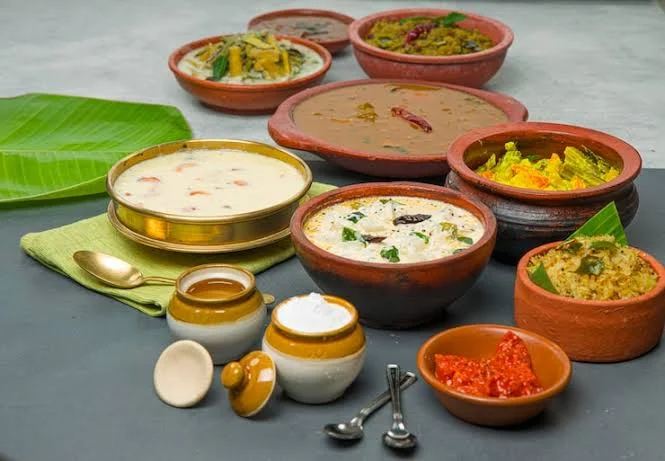
8. Ada Pradhaman
Ada Pradhaman is a rich payasam. It is made with rice ada, jaggery, and coconut milk. It is one of the most important desserts in the Onam Sadya. The combination of jaggery and coconut milk creates a deep, caramel-like sweetness. It is hard to resist.
Here is what you need:
-
Ada (rice flakes) - 160 grams
-
Jaggery - 400 grams
-
Thin coconut milk - 450 ml
-
Thick coconut milk - 225 ml
-
Ghee - 60 ml
-
Cashews - 24
-
Coconut pieces - 60 grams
-
Cardamom powder - half teaspoon
-
Ginger powder - quarter teaspoon
Now the method:
Wash the ada. Add it to 1 litre of boiling water. Set aside to cool for 15 minutes.
Strain the ada. Rinse to stop it from cooking further. Check if it is slightly soft but not mushy. If it is too soft, it will disappear when cooked again.
Add the jaggery to 200 ml of water. Heat to dissolve. Strain through a metal sieve. This removes any solid bits.
Take a nonstick pan. Heat ghee. Fry the cashews until golden brown and aromatic. Remove and set aside.
Fry the coconut pieces in the same pan until golden brown. Remove and set aside.
Add the drained ada to the pan. Sauté for 1 minute. Add the jaggery syrup. Cook until it thickens.
Pour the thin coconut milk. Let it boil until it thickens. Add the ginger and cardamom powders. Then add the thick coconut milk. Mix. Do not let it boil after adding thick coconut milk.
Add the fried cashews, coconut pieces, and 2 tablespoons of ghee. Mix well.
As it starts to bubble, switch off the heat. Let it cool. It will thicken into a pudding-like consistency.
9. Paal Payasam
Paal Payasam is a simple yet delicious dessert. It is made with milk, rice, and sugar. It is creamy, mildly sweet, and loved by everyone. This payasam is often served at the end of the sadya.
Here is what you need:
-
Milk - 1 litre
-
Raw rice - 55 grams
-
Sugar - 120 grams
-
Cardamom powder - 1 teaspoon
-
Ghee - 2 teaspoons
-
Cashew nuts for garnish
Now the method:
Soak the rice in water for 20 minutes. This softens it.
Pour the milk into a 3-litre pressure cooker. Add the ghee. Let it boil.
Drain the water from the rice. Add the rice to the cooker. Seal the lid.
Cook on low flame for 30 minutes. Set a timer if needed.
After 20 minutes, open the lid. Sprinkle the cardamom powder. Add some fried cashews. Let it sit with the lid ajar for 10 minutes. This helps it thicken.
Serve the payasam in bowls. Top with the remaining fried cashews.
10. Kozhukatta
Kozhukatta are steamed rice dumplings. They are filled with a sweet coconut and jaggery mixture. They are soft, mildly sweet, and make a perfect snack or dessert for Onam.
Here is what you need:
For the jaggery filling:
-
Jaggery - 300 grams
-
Water - 60 ml
-
Fresh coconut - 170 grams, grated
-
Cardamom powder - half teaspoon
-
Cumin powder - half teaspoon
For the rice balls:
-
Rice flour - 400 grams, roasted
-
Water - 350 ml
-
Salt - a pinch
Now the method:
First, make the jaggery filling. Take a saucepan. Pour in the water. Add the jaggery. Stir to combine. Heat over a low flame. Simmer for 1 minute until the jaggery melts.
Remove from heat. Let it cool. Strain to remove any solid bits.
Transfer the melted jaggery back to the saucepan. Cook on medium heat. Add the fresh coconut. Stir and cook for 1 minute. Wait until the coconut starts to shrivel.
Once you have a dry mixture, add the cardamom and cumin. Stir to combine. Set aside to cool.
Now make the dough. Take a saucepan. Bring the water to a boil with salt.
Take the rice flour in a heatproof bowl. Add the hot water little by little. Use a spoon to mix. Once it is warm enough, knead with your hands. Make an elastic dough.
Divide the dough into 10 balls. Flatten each slightly. Shape it into a cup. Place some filling in the centre. Roll to seal the filling inside. Repeat until all the filling and dough are used.
Arrange all the kozhukatta in a steamer plate. Steam for 15 minutes. Serve fresh.
Tips for Making the Perfect Onam Sadya
Plan ahead. Cooking 10 or more dishes in one day is hard work. Make the pickles and thiyal a day or two in advance. They keep well. Their flavours improve with time.
Use coconut oil. Kerala cooking is incomplete without coconut oil. It gives the dishes their authentic aroma and taste. Do not substitute with other oils if you want the true sadya experience.
Balance the flavours. The sadya is all about balance. Make sure you have dishes that are sweet, sour, spicy, and mild. The yoghurt-based dishes balance the spicy ones. The pickles add tang. The payasam finishes the meal on a sweet note.
Serve on a banana leaf. The banana leaf is not just a plate. It adds a subtle aroma to the food. It is also a tradition. It connects the meal to nature and the harvest season.
Do not rush the cooking. Each dish has its own cooking time and method. The roasted coconut masalas need slow roasting. This brings out their full flavour. The dal needs to cook until soft. Give each dish the time it needs.
Conclusion
The Onam Sadya is more than a meal. It is a celebration of Kerala's culture. It is a celebration of the harvest. It is a celebration of the people. Each dish on the banana leaf carries meaning and history. The parippu curry represents prosperity. The avial symbolises unity. The payasam brings sweetness to the end.
Making these traditional Onam recipes at home connects you to this rich tradition. Whether you are Malayali or not. Whether you are in Kerala or abroad. These dishes bring the warmth of Onam to your table. The feast is a way of sharing abundance and togetherness with family and friends.