

Many individuals think of tourists and travellers alike as people who come into a new area, bring finances, and take pictures. However, the way in which finances are brought separates the two. Tourist spending and traveller spending come from two separate ways of thinking. One thinks quickly, moving about on the surface level. The other thinks deeply, taking time to think through every action. This makes all the change in how a break can feel, end up costing, and being an experience. Kind this can help you travel more well, avoid raging expenses, and enjoy vacations without stress. In this article, we will take a closer look at the changes amid traveller and tourist difference.
What Tourist Spending Really Means?
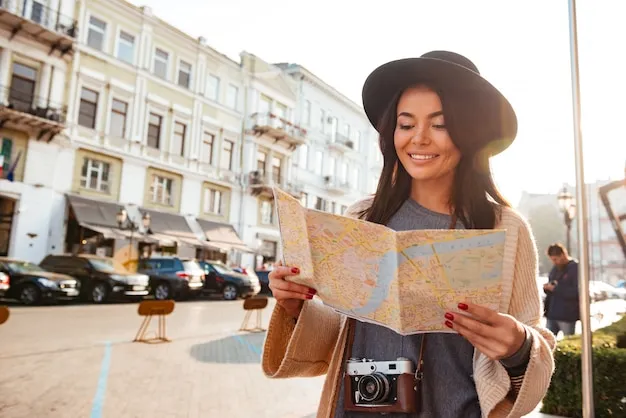
In many cases, tourist expenditure is encouraged by equal measures of nervousness and excitement. As a tourist, one is hungry for comfort, safety, and familiarity. As a result, one is bound to spend more than is necessary. This expenditure is likely to be centred around areas where, on account of popularity, prices are likely to be high. Tourist outflow is likely to be on the costly side. They will pay to stay in classy hotels, take led tours without gaging other changes, and dine at cafe strips set near iconic last stop.
Read Also: How Language Shapes Culture Across Different Countries
What Traveler Spending Really Means?
And so, money spent as a result of experience keeps growing. Travelers weigh their spending decisions before parting with money. They watch, weigh, and then carefully spend it. They also end up lingering at a particular location for a relatively longer period, allowing them to estimate prices, find where the locals eat, and get familiar with means of transportation. Their money spending pattern proves effective and elastic at the same time. They spend money where it matters most, without going for anything extra. Enjoying comfort without going into wastage becomes the new normal. And value gets prominence over luxury now. Experiences weigh more than services, without opting for the rest, which turns out pointless.
Accommodation Choices Indicate a Large Variation
Tourists tend to prefer hotels based on brands and location to points of interest, longing to see familiar names around. These generally result in a cost attached, as well as packages of facilities they hardly make use of. Travellers, on the other hand, consider comfort against location, taking a medium approach. They prefer residing within neighbourhoods, opting to stay either at guest houses or apartment hotels, evaluating transport connectivity. Also, they tend to spend on hotels to fit their life, avoiding grandeur. They feel they are bound to the location they are in, as tourists tend to stay as if disconnected from local life.
Food Expenditure Mirrors Mentality
How we spend our food budget says a lot about us and our strategy. Tourists eat where the signs are obvious, where the menus are in their own language, and where eating takes place near famous attractions. Such places always tend to cost more, and the food itself is usually nothing spectacular. Then again, tourists always go to where the locals dine—through back streets, local cafes, and places pointed out to them by locals. They’re interested in food and culture, and they take their sweet time to finish eating. In their case, balance is also observed, as not every dish is a culinary masterpiece—there are some plain ones, and eating in such a way always allows them to save some money and to continue to enjoy eating out. Rookies in eating out, however, tend to go over budget without even noticing.
Transportation Modes Influence a Spending Habit
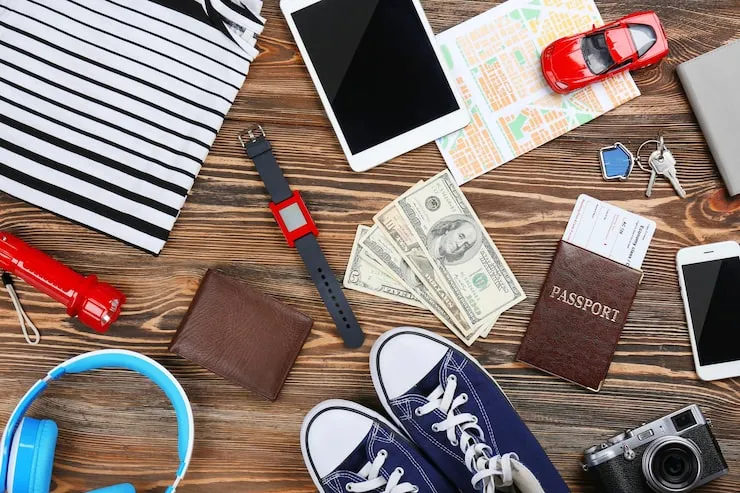
Tourists prefer taxi and private transfers safe and convenient but expensive. Then, once they know the terrain, they use public transportation and understand the routes and ways of the local transportation systems. Transportation costs become optimal cheap and allowing access into the local culture. There is no rush for tourists; they plan routes to avoid stress. This is the speed of the tourist. The traveller is concerned with flow. There is a big difference in the amount spent and the quality experienced by the tourist and the traveller and tourist difference.
You May Also Like: Most Underrated Zegrahm Expedition Destinations for Nature Lovers
Shopping Habits Look Very Different
Travelers are likely to shop for gifts at popular markets the higher cost, generic products, emotional purchases. Travelers are less likely to shop, but when they do, they tend to buy with aim: local products, small trade support, meaning-making buying. They spend money on things with a history, something practical or significant, making something of value, not trash. They leave with recalls, not junk.
Experience Spending Tells the Whole Story
Tourists will buy ready-to-eat experiences. This is easy, likely, following a definite rhythm. The travellers will select practices they find intriguing. They attend shops, visit local events, and meander as they please. When a traveller pays for skills, it becomes a own matter, driven by moods and vibes. Tourists will stack skills, while travellers will relish moments.
Time Alters Spending Habits
Tourists face time limits, and this fills a sense of resolve in outlay. Explorers also allow scope for themselves and tend to move at a gentler pace. Slow travel helps in take away the urgency of outlay, thus making wiser outlay decisions. Time fills wisdom, and this routinely makes wise outlay in a distinct. Less panic makes an exact spend wisely.
Emotional Effects of Spending Behaviours

Tourist dollars are often allied with swift and fleeting pleasure. This soon passes. Outlay by travellers will typically result in lasting joy and this will be hard-won. This wave effect of mental joy is important. Travel is meant to revive the brain; frugal travel costs will nowise deny this goal.
Conclusion
But the difference in tourist versus traveller costs goes well beyond amounts of money. It’s about boldness. Tourists spend cash to feel safe. Travelers spend money to feel a sense of linking. Spending money as a tourist occurs quickly. Outlay money as a traveller does not. This is for visitors are in chase of comfort, while travellers are in chase of value. And over the span of a lifetime, many of us make the change from tourist to traveller. This is how travel turn out to be deeper, more nearby, and more tourist spending habits.