
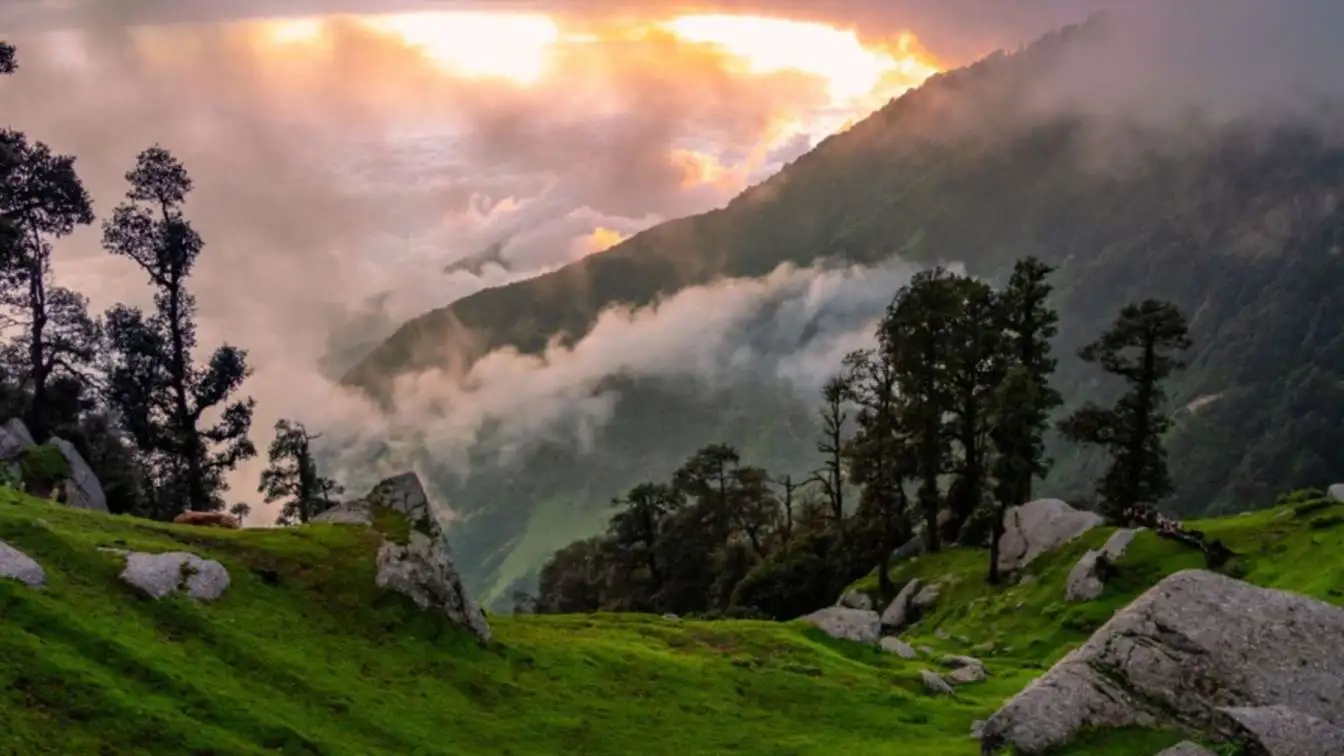
Let’s be straight with each other. If your summer plan involves driving to Shimla Mall Road, you aren't going on a vacation; you’re just moving your stress to a higher altitude with worse parking. Finding hidden places to visit in Himachal in summer isn’t about following a TripAdvisor top-ten list. It's about grit. It's about heading toward the spots where the asphalt starts to crumble and your 5G signal vanishes into the thin, cold air.
We’ve spent enough time bouncing around these ridgelines to know that the "real" Himachal starts exactly where the tour buses stop. This guide is for the ones who want the scent of cedar smoke and the bite of glacial water, not another crowded selfie spot.
Key Takeaways
-
The Vibe: Ditch the resorts. Look for homestays where "hot water" means a soot-covered bucket from a wood-fired stove.
-
The Gear: Forget the fancy outfits. You need a high-clearance spare tire, a physical map, and a BSNL SIM card.
-
The Logic: If you aren't above 2,500 meters, you haven't escaped the heat. You’ve just moved closer to the sun.
-
The Secret: The best meal of your life won't be on a menu. It’ll be the Siddu a local family shares with you in their kitchen.
1. Jibhi: The Anti-Manali Settlement
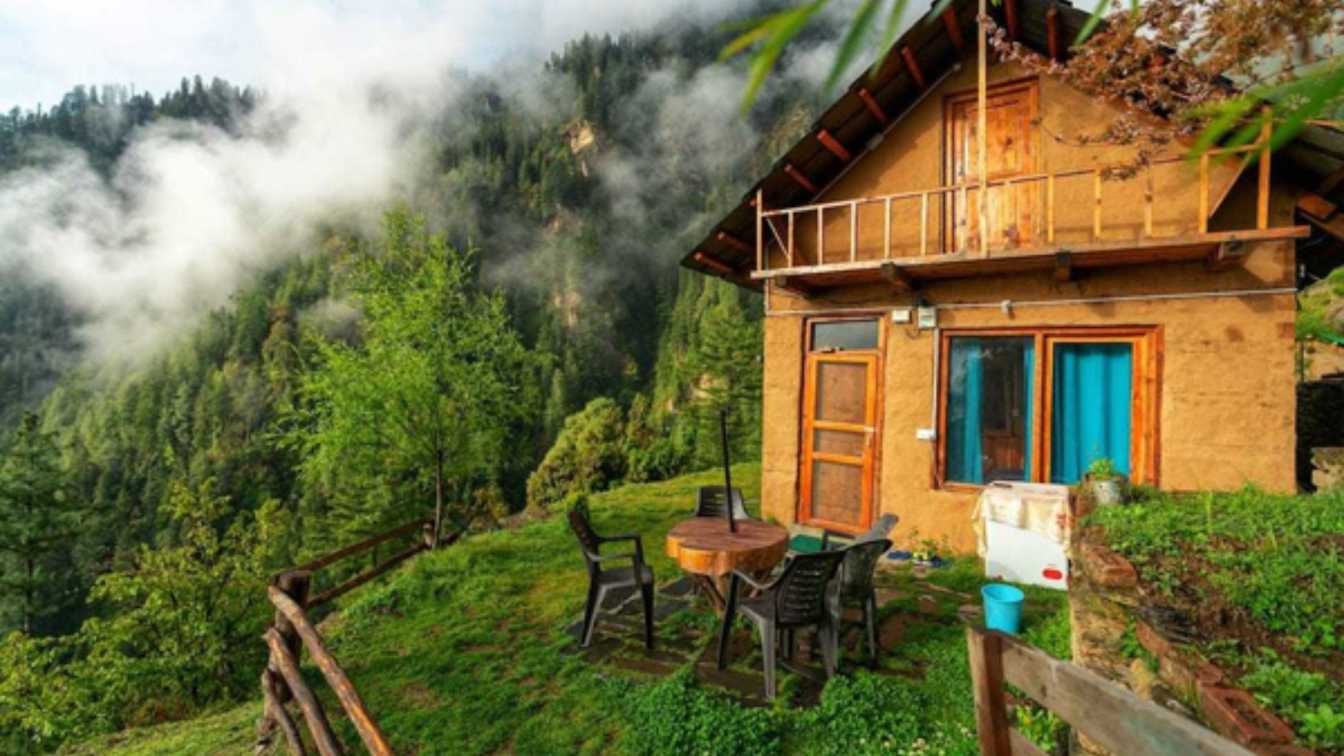
Jibhi is what happens when a village refuses to sell its soul to the high-rise hotel industry. Tucked into the Banjar Valley, it’s a kingdom of pine-wood cottages and Victorian-style stone huts. It is the gold standard for hidden places to visit in Himachal in summer.
The Scenario: The 4 AM River Ritual
Imagine standing by the Jibhi Gad stream at dawn. It’s a crisp 8°C. While the rest of India is arguing over hotel check-in times in Manali, you’re watching the water swirl around ancient, mossy boulders. You aren't here to "check off" sights. You’re here to sit on a rock until you forget what your work laptop even looks like. It works. Every time.
Read Also: How To Plan Kedarnath Trip On Budget
The Hot Take: Your "Offbeat" Haven is a Lie
The truth? Jibhi is becoming popular. But here is the catch: it’s only "popular" for people with strong legs. If you aren't willing to hike three kilometers through a forest to find a waterfall, you won't see the real Jibhi. The "hidden" part is protected by physical effort, not just geography.
Under the Hood: The Physics of Jalori
To enter this valley, you usually cross Jalori Pass ($3,120 \text{ meters}$). This isn't just a scenic drive; it’s a brutal exam for your car's cooling system. The gradient is so steep your engine will literally scream at you.
Pro-Tip: Use the "First Gear, No Brake" rule on the descent. If you ride your brakes, they’ll overheat and fail before you hit the valley floor. That isn't a scare tactic; it’s basic thermodynamics.
2. Barot: The Industrial Ghost in the Woods
Barot Valley feels like a charming throwback to a different era. Built in the 1920s to support the British-era Shanan Power House, the village still looks like a vintage work camp lost in a massive green gorge.
The Scenario: The Haulage Way Climb
There’s an old, vertical trolley track that cuts straight up the mountain. Walking along it is a thigh-burning nightmare that’ll make you regret every desk job you’ve ever had. But the view from the top—looking down at the Uhl River—is like something out of a Tolkien novel. No souvenir shops. No plastic. Just wind and water.
The Hot Take: Valleys Beat Peaks
Everyone is obsessed with "Himalayan Peak" views. Our take? Peaks are lonely, windy, and honestly, a bit one-note. Valleys like Barot have a soul. You’re wrapped in the mountain’s arms. The air is thicker, the river is closer, and the sense of being "tucked away" is far more visceral.
Under the Hood: The Trout Technicality
The Uhl River is pure glacial runoff. For the science nerds: the water stays at a near-constant $10°C \text{ to } 12°C$. This is the specific "sweet spot" for Brown and Rainbow Trout. They need that exact oxygen-to-temperature ratio to get massive. If you’re fly-fishing here, you’re basically participating in a high-altitude biological experiment.
3. Rakcham: The Pink Buckwheat Frontier
Don't stop at Sangla. Keep driving past the apple orchards until the trees get stunted and the boulders get as big as houses. That’s Rakcham. It sits at a staggering 3,115 meters.
The Scenario: The Last Peaceful Night
In summer, the local buckwheat fields bloom in vivid shades of pink and white. You’re sitting on a dry-stone wall, staring at the granite spires of the Kinnaur Kailash range. No "reels" being filmed. No traffic noise. Just the sound of the Baspa River grinding down the mountain.
The Hot Take: Chitkul is the New Mall Road
Chitkul gets all the glory because it’s the "last village on the border." But that fame has brought trash and noise. Rakcham is just 10km away, has the same river, better meadows, and 90% fewer people. If you want the "edge of the world" feeling without the gift-shop crowds, Rakcham is the real deal.
Under the Hood: The "Shooting Stone" Reality
The geology here is shale and granite. In summer, as the permafrost melts in high-altitude cracks, the rocks loosen. If you see a pile of small pebbles on the road, do not park there. That’s a "shooting zone." It’s a technical reality of the Himalayas that city drivers ignore until a rock the size of a microwave hits their bonnet.
Pro-Tip #1: The Power Bank Paradox
Thin, cold air at 3,000m is a battery killer. If you’re in a basic homestay, keep your phone and power bank inside your blanket or under your pillow at night. Your body heat keeps the ions moving. If you leave your tech on the table, it’ll be stone-dead by 6 AM.
4. Shangarh: The Kingdom of the Meadow
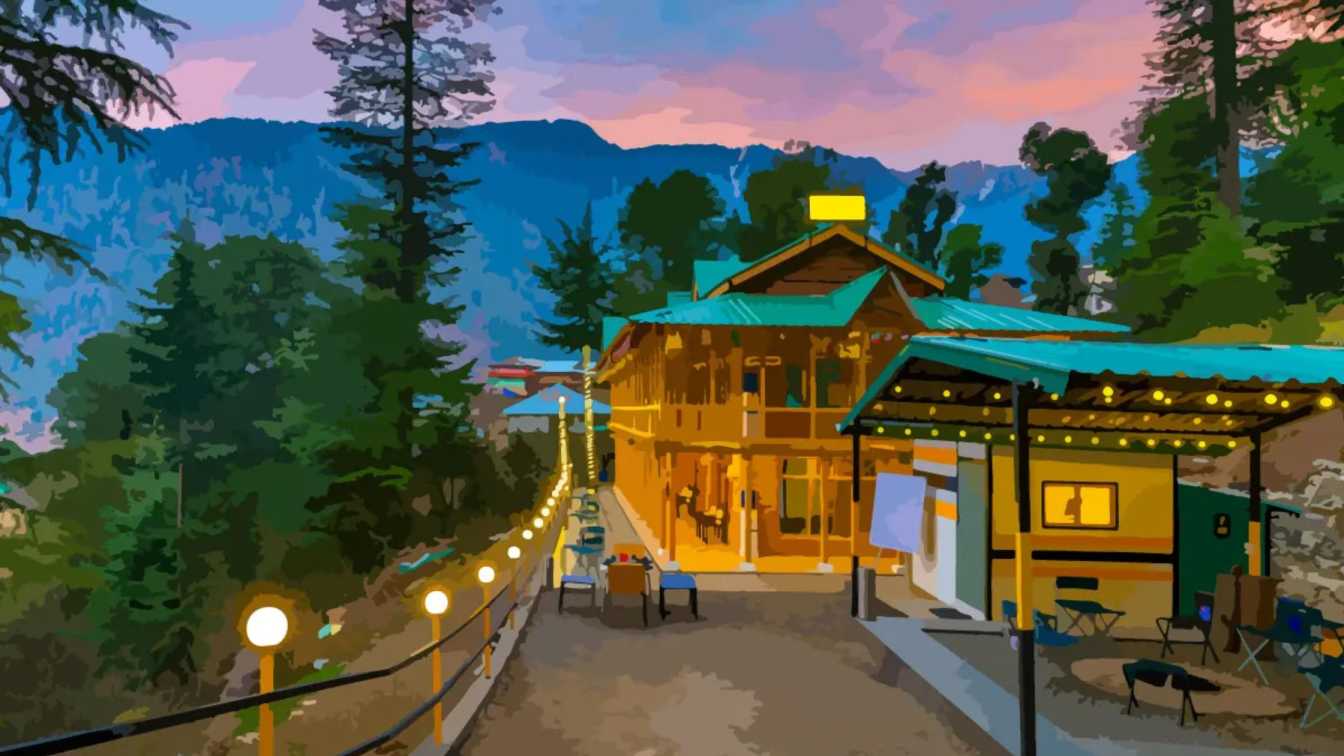
Hidden in the Sainj Valley, Shangarh is famous for a meadow that shouldn't exist. It’s a massive, perfectly flat, emerald-green expanse that looks like it was manicured by a god with a lawnmower.
The Scenario: The No-Stone Rule
Local legend says the Pandavas sieved the soil here to ensure not a single stone remained. Walk across it barefoot. It feels like high-end velvet. Surrounded by ancient deodar trees and a temple so old the wood has turned black with age, it’s one of those hidden places to visit in Himachal in summer that feels genuinely sacred.
The Hot Take: The "Mini-Switzerland" Insult
Stop calling places "Mini-Switzerland." It’s a lazy, colonial-style comparison. Shangarh doesn't look like the Alps; it looks like a rugged, high-altitude Himachali treasure. Respect the land for what it is, not what some brochure says it reminds you of.
Under the Hood: The GHNP Buffer Zone
Shangarh is technically part of the Great Himalayan National Park's buffer zone. This means strict "no-permanent-construction" rules on the meadow itself. This bit of bureaucracy is the only reason the place isn't covered in ugly concrete hotels right now. Nature survives because of red tape.
You May Also Like: Cultural Dress Codes Tourists Often Get Wrong
FAQs
Is the road to Kinnaur safe for a beginner?
Honestly? No. It’s carved into 1,000-foot vertical cliffs. If you have vertigo or a weak stomach, hire a local pilot. Don't try to be a hero in a rented hatchback.
What should I eat?
Forget the pizza. Ask for Siddu with hot, melted ghee. It’s a fermented wheat bread that’s dense enough to keep you fueled for a 12km trek. It’s mountain diesel.
Will my phone work?
Airtel and Jio might work in the main towns. In the hidden spots? Good luck. BSNL is the only one that even tries to stay connected. But if you’re checking Instagram in Rakcham, you’re failing the vacation.
What about the landslides?
They’re a technical reality of the mountains. If it rains for more than two hours, the shale gets slick. If you get stuck behind a slide, just relax. The BRO (Border Roads Organization) are wizards; they’ll have it cleared in a few hours.
Conclusion
The Himalayas are changing. New tunnels are making these "hidden" spots accessible to everyone, which usually means they won't stay hidden for long. If you want to see the real, raw version of Himachal—the one that smells of wet pine resin and glacial silt—you need to go this year.
How many days are you planning to lose yourself out there, and are you bringing your own wheels or trusting the local HRTC buses? (Note: The bus drivers are the true kings of these roads).