
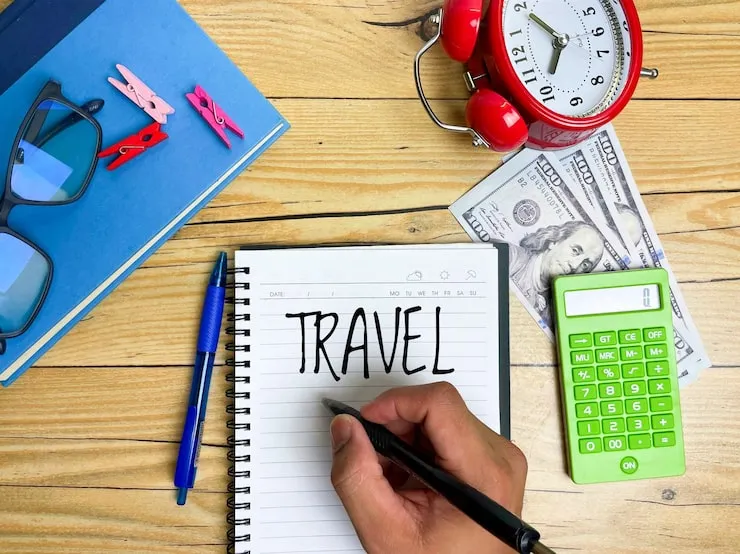
Dreaming of a beach, a big city, or a mountain adventure? A great trip doesn't need a giant bank account. It needs a smart plan. Many people think budgeting is hard or boring. But it is the secret to more trips and less stress.
This guide will show you easy ways to plan your money. You will learn how to make your travel dreams real without worry. The key is having a clear travel budget rule to follow.
Why a Smart Spending Plan Changes Everything
Without a plan, money disappears fast. You might overspend on a hotel. Then you can't enjoy fun tours or nice meals later. A budget is not about saying "no." It is about saying "yes" to what you love most.
A good spending plan gives you freedom. You can relax, knowing your money is on track. It helps you travel more often. You can turn one big trip into two smaller adventures. It is your map for a happy journey.
The Foundational Travel Budget Rule Guide
Think of your budget as a simple pie. It is cut into a few big pieces. This 50/30/20 travel budgeting rule is a famous and easy start.
-
50% for Needs: This big slice is for your must-haves. It covers a place to sleep, your flights or gas, and basic food.
-
30% for Wants: This fun slice is for the extras. It includes museum tickets, special dinners, souvenirs, and fun activities.
-
20% for Savings & Splurges: This is your safety slice. It is for unexpected costs or a last-minute amazing experience.
This rule for vacation budgeting makes decision-making simple. Is a fancy hotel a "Need" or a "Want"? This helps you choose.
How to Build Your Budget, Step-by-Step
Let's build your budget from the ground up. Follow these steps.
First, Track Your Daily Travel Costs
Start by listing your big expenses. Then, think about the smaller daily ones. A daily expense tracker for trips is very helpful. Use your phone's notes app or a small notebook.
Write down everything: morning coffee, bus ticket, museum entry, lunch, a souvenir. After a few days, you will see a pattern. This helps you plan better for your next trip.
Setting Your Daily Spending Limit
This is the heart of your travel budget rule. Look at your total trip money. Subtract your big fixed costs (flights, hotel). What is left? Divide that number by the number of days on your trip.
For example: You have $500 left for 5 days. Your daily spending limit is $100. This covers food, fun, and local travel. Knowing this number each morning keeps you in control.
Smart Ways to Save Money on Your Trip
Your budget can stretch further with clever tricks. Here is how to save money while traveling.
Finding Affordable Flights and Places to Stay
Book flights early, or be flexible with dates. Use websites to compare prices. For hotels, look beyond big chains. Small guesthouses or vacation rentals can be cheaper and nicer.
Consider hostels for budget travel. Many have private rooms. They are great for meeting people. Another tip is travel reward credit cards. They can earn you free flights or hotel nights over time.
Saving on Food and Fun Activities
You don't need to eat at tourist restaurants every meal. Visit a local market. Have a picnic. Eat where locals eat. For activities, many cities have free walking tours. Museums often have "free entry" days. Research online before you go.
Tools to Make Budgeting Easy
You don't need complicated spreadsheets. Many travel budget apps make it simple.
-
Apps: Tools like Trail Wallet or Splitwise are made for travelers. You enter costs in your local currency. They track everything for you.
-
Simple Spreadsheets: A basic Google Sheet works perfectly. Make columns for Date, Item, Cost, and Category (Food, Transport, Fun).
-
The Old-Fashioned Way: An envelope system works! Label envelopes for each day or category. Put the cash inside. When the envelope is empty, you are done spending in that category.
Handling Money in Another Country
This is a very important step in your travel budget rule.
Using Cards and Cash Wisely
Always tell your bank you are traveling. Otherwise, your card might stop working. Use your credit or debit card for big purchases. It usually has the best exchange rate.
But always have some local cash. Small shops, markets, and buses often only take cash. A good rule for managing travel money is to get cash from a bank ATM in the airport or city. Avoid airport money exchange desks; their rates are not good.
Keeping Your Money Safe
Never keep all your money in one place. Use a hotel safe. Carry only what you need for the day. Use a money belt or a hidden pouch under your clothes for extra cash and your passport. Being careful lets you relax and have fun.
What to Do When Your Budget Changes
Even the best plans can change. A flight is delayed. You find an unplanned, wonderful tour. This is why that "20% Savings & Splurges" slice of your budget pie exists.
If you spend too much one day, spend less the next. If you find a great deal on a hotel, that's extra money for fun! A budget is a guide, not a jail. The goal is to enjoy your trip, not to worry about every penny.
Putting Your Travel Budget Rule Into Action
Let's imagine a 5-day trip to a sunny city. Your total budget is $1,000.
-
Flights & Hotel (Needs - 50%): $500
-
Food, Fun, Souvenirs (Wants - 30%): $300
-
Safety Fund (Savings - 20%): $200
Your daily spending money is $300 divided by 5 days = $60 per day. You know you can spend about $20 on lunch and dinner, $15 on activities, and save $25 for a special boat trip later in the week. See? It’s easy and stress-free!
Final Thoughts on Smart Trip Planning
A smart travel spending plan is your ticket to freedom. It turns "I wish I could" into "I know I can." It is not about limiting your joy. It is about making sure you have joy every single day of your trip.
Start with the simple pie rule. Track your spending. Use a helpful app. Always have a safety fund. With these steps, you are ready to explore the world wisely and happily.
Frequently Asked Questions (FAQs)
What is the simplest travel budget rule?
The simplest rule of thumb for travel costs is the 50/30/20 rule. Use 50% of your money for needs (hotel, transport), 30% for wants (food, fun), and keep 20% for surprises or special treats.
How much spending money should I take per day?
There is no single answer. It depends on where you go. Research your destination online. Look at average costs for a meal, a hotel, and a bus ticket. Then, set your daily spending limit. For many cities, $50-$100 per day is a good start for a budget-friendly trip.
What is the best way to keep track of spending on a trip?
Using a travel expense tracker app on your phone is the easiest way. It’s fast and does the math for you. If you prefer paper, a small notebook works great too. The key is to write down every purchase, even small ones.
How can I save for a trip faster?
Open a separate savings account just for travel. Set up your bank to automatically move a little money there every week. Even $20 adds up fast. Also, look at your daily costs at home. Making coffee at home instead of buying it can fund a museum ticket later!
Is it better to use cash or cards when traveling?
Use both. Cards are best for hotels, big meals, and shopping. They are safe and have good exchange rates. But always carry local currency. You will need it for small purchases, tips, and markets. Never rely on just one way to pay.
Expert Quote
"Think of a travel budget as your adventure compass. It doesn't tell you where you can't go; it points you toward all the experiences you can have, with confidence and without financial stress. The most seasoned travelers are always the ones who plan their money first."
-
Morgan Lee, a veteran travel planner with over 15 years of experience helping people see the world.