
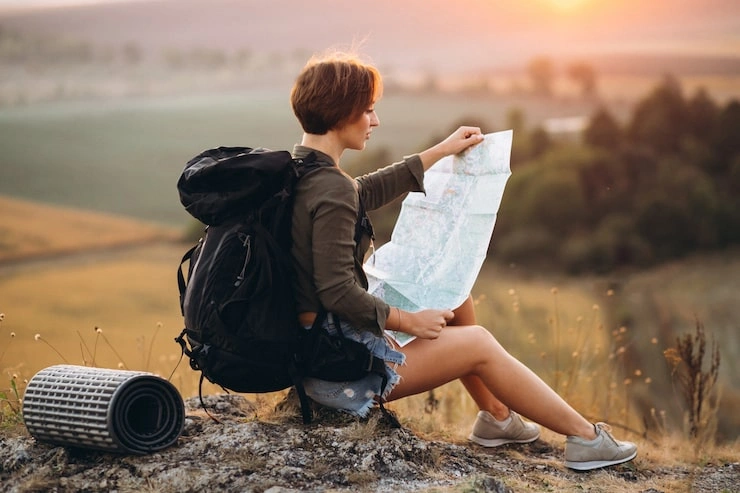
That first trip alone feels huge. I remember standing at the gate. My hand was shaking. I almost walked away. I am glad I did not walk away. That trip changed how I see myself. I learned things about being strong. I learned things about being scared. Both were good for me.
If you are thinking about going alone for the first time, this is for you. I made mistakes so you do not have to. I had good moments too. I want you to have more good moments than bad ones.
Here is what I learned.
Why Go Alone Anyway?
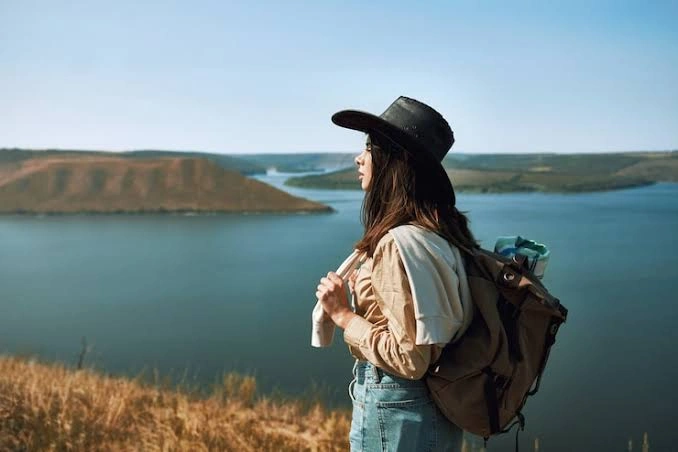
People always wait for friends. They wait for someone to say yes. They wait for someone to have money. They wait and wait. Years go by. Then the trip never happens. Going alone stops all that waiting. You pick the dates. You pick the place. You pick how much to spend. No one argues about food. No one says they are too tired. No one changes the plan.
Also, you meet more people when you are alone. That sounds backward but it is true. When you are with friends, you stay in your group. When you are by yourself, locals talk to you. Other travelers talk to you. You become part of things in a different way. And you find out what you really like. Not what your friends like. Not what your family likes. What you like. That is a good thing to know.
Read Also: Eco Friendly Travel Tips For Family Vacations
Picking Where To Go First
Do not pick the hardest place on earth for your first trip. You want to set yourself up to win. Choose a place that makes things easier. Look for these things.
Good public transport matters. You do not want to drive in a strange country. Trains and buses are better. Cities with good transit let you explore without stress. Language matters too. You do not need everyone to speak your language. But you want to order food and ask for directions without too much trouble. Tourist areas usually have people who speak major languages.
Safety matters most. Check your government travel site. Look at the warnings. Pick a place where you can walk at night without worrying. Your first trip should feel safe. Tourist stuff matters in a good way. Places that get lots of visitors have hostels and tours and help centers. These make life easier. You can get help when you need it.
Distance matters. A short flight means less jet lag. Less jet lag means you feel better. You think clearer. You have more fun.
Here are places that work well for first timers.
Japan is great. Trains run on time. Streets are clean. Crime is very low. People are polite. Even if you do not speak Japanese, you get by. Signs have English. Food is amazing. It feels different but safe. Iceland works too. Everyone speaks English. Crime is nearly zero. The land looks like another planet. You see northern lights. You soak in hot springs. Buses take you everywhere. It costs more but it is worth it. Ireland is friendly. The language is English. Pubs are welcoming. Trains connect the cities. Castles are everywhere. It feels familiar but special. Thailand is cheap. Food is good and cheap. People are warm. Many tourists go there. You will not be alone. Beaches are pretty. Temples are peaceful. Portugal has sun and good food. It costs less than other European countries. Trains work well. Cities are walkable. The coast is beautiful.
Money And What It Costs
Money worries are real. You do not want to run out. But you also do not want to overspend.
Here are some daily numbers.
Thailand runs forty to sixty dollars a day. That gets you a bed, three meals, local rides, and one activity. You can spend less on street food. You can spend more on better rooms. Portugal runs eighty to one hundred twenty dollars a day. Hostels cost less than hotels. Meals are fine. Trains are cheap. You can see museums and solo travel tips for first time travelers.
Japan runs one hundred to one hundred fifty dollars a day. Hostels are clean. Food is cheap if you eat at convenience stores. Train passes save money. Iceland runs one hundred fifty to two hundred dollars a day. This one hurts the wallet. But you can cook your own food. Hostels have kitchens. Grocery stores have what you need.
Watch for hidden costs.
Travel insurance costs fifty to one hundred dollars for a week. You need this. If you get sick or hurt, it covers you. If your flight gets canceled, it covers that too. Do not skip it. Airport transport costs more than you think. Look it up before you go. Know what a taxi or train costs.
Activities add up. Tours and museums cost money. Plan for one or two paid things each day. Tipping is different everywhere. Learn the local custom. Save money like this. Go in the off season. Prices drop in spring and fall. Summer and holidays cost more. Stay in hostels. They are not just for young people. Many have private rooms. You get a bed and meet people. You save money.
Eat where locals eat. Street food is good and cheap. Markets have fresh stuff. Avoid restaurants near big tourist spots. They charge more. Walk instead of taking cabs. You see more. You save money. You get exercise.
Where To Sleep?
Your room shapes your whole trip. The wrong place makes you feel alone. The right place feels like home.
Hostels are your best bet.
Hostels get a bad name. People think they are dirty. Not true anymore. Modern hostels are clean. Many have curtains on the beds. They have lockers. They have common areas. The best thing about hostels is the people. You meet other travelers right away. Ask them where they have been. Get tips. Find someone to explore with. You never feel alone in a good hostel.
Pick hostels with high ratings. Read reviews. Look for places that do group dinners or walking tours. These help you meet people. You do not have to be outgoing. Just sit in the common area. Someone will talk to you.
Hotels for quiet nights.
Sometimes you need rest. After a few hostel nights, you might want your own room. Hotels give you privacy. You spread your stuff out. You sleep without earplugs. You close the door and have space. Hotels cost more but give you peace. If you have the money, treat yourself every few days. It helps you recharge.
Other options exist.
Airbnb gives you an apartment. You have a kitchen and living room. You cook your own meals. You live like a local. This works for longer stays. Guesthouses are family places. They feel personal. Owners often cook breakfast. They give you advice. They make you feel welcome. This is a nice middle ground.
Location matters most. Stay near public transport. Stay in a safe neighborhood. Look at the map. Read reviews about safety. Free wifi is essential. You need to look up directions. You need to message home. Common areas matter. You need a place to sit that is not your room. This is where you meet people. Kitchen access saves money. You make your own breakfast. You pack lunch. You cook dinner. This helps in expensive places.
Staying Safe
Safety is the biggest fear. You worry about walking at night. You worry about getting lost. You worry about being a target. These worries are real. But they should not stop you. Here are simple steps.
Before you go.
Share your plans with someone at home. Give them flight numbers. Give them hotel names and addresses. Tell them when you will be where. Check in every day. A text message is enough. They worry less. You feel safer. Copy important documents. Take a photo of your passport. Take a photo of your credit cards. Email these photos to yourself. If you lose the originals, you still have help.
Learn the local emergency number. Not every country uses 911. Know the police number. Know the ambulance number. Save them in your phone. Learn key phrases. Know how to say help. Know how to say police. Know how to say I need a doctor. Just a few words are enough.
While you are there.
Trust your gut. This is the most important rule. If something feels wrong, leave. Do not worry about being rude. Do not worry about overreacting. Your instincts keep you safe. Blend in. Do not walk around with a big map. Look at your phone for directions. Dress like the locals. Do not wear expensive jewelry. Keep your camera hidden until you use it. If you look like a tourist, you become a target.
Stay aware. Put your phone away when you walk. Look where you are going. Notice who is around. Predators target distracted people. If you look alert, they move on. Keep money in multiple places. Do not put all your cash in one pocket. Put some in your shoe. Put some in a hidden belt. Put some in your bag. If someone steals one thing, you still have the rest.
Be careful with alcohol. Have a drink if you want. But do not get drunk. You need your wits. You need to find your way home. You need to make good decisions.
Walking at night.
- Walk with purpose. Even if you are lost, walk like you know where you are going. Look confident. Step quickly.
- Stick to well-lit streets. Avoid alleys. Avoid empty parks. Stay on main roads with shops and people.
- Wear shoes you can run in. Heels slow you down. Flip flops slow you down. Wear comfortable shoes.
- Take a taxi if you feel unsafe. The money is worth your safety. Use a ride app if they have one. You see the driver rating. You share your ride with someone. Extra security.
Common scams.
The helpful local might be a scammer. Someone comes up to help you find your hotel. They say it is closed. They offer to take you to another place. Do not go. They take you somewhere expensive. Or they rob you. Say no and walk away.
The dropped item trick. Someone drops money near you. They pick it up. They ask if it is yours. You say no. They insist you take it. Then they ask for a reward. Just walk away.
Fake police. They show a badge. They say there is a problem. They want your passport and money. Real police do not do this on the street. Ask to go to the police station. If they are fake, they leave. If they are real, they take you.
The friendship trick. Someone talks to you at a bar. You feel comfortable. They suggest another place. The new place is a trap. They overcharge you or rob you. Keep your guard up.
You May Also Like: Most Underrated Travel Destinations In The US
What To Pack?
Packing feels confusing. You want to bring everything. But you also want a light bag. The truth is simple. You need less than you think. You can buy things along the way.
The essentials.
- Passport is number one. Check the expiration date. Some countries want six months of validity. Do not wait to renew.
- Credit and debit cards. Bring more than one. Keep them in different places. Call your bank before you go. Tell them you are traveling. Otherwise they freeze your card.
- Small amount of local currency. You need cash for taxis and small things. Get some before you leave or at the airport. Do not carry too much. Just enough for your first day.
- Phone and charger. You need your phone for maps, translation, and communication. Bring a portable battery too.
- Copies of documents. Keep copies separate from the originals.
Clothes.
Pack layers. A t-shirt, a long sleeve shirt, and a light jacket cover most weather. Add a rain shell for wet days. This system works for warmth and cold. Comfortable walking shoes. You walk more than you think. Good shoes prevent blisters. Quick dry clothes. Cotton takes forever to dry. Synthetic fabrics dry overnight. Wash them in the sink. They are ready by morning. One nice outfit. You might go somewhere fancy. Scarves are useful. They keep you warm. They cover your shoulders in temples. They work as a blanket on a cold bus. They pack small. Toiletries.
Small first aid kit. Bandages, pain relievers, stomach medicine. Travel changes your digestion. You might need stomach medicine. Prescription medicine in original bottle. Keep it in your carry-on. Bring extra. Sunscreen is important. Many places have strong sun.
Do not bring.
- Laptop. Your phone does everything. Laptops are heavy. They are a target. They take up space.
- Expensive jewelry. You do not need it. It makes you a target. It can get lost.
- Guidebooks. They are heavy. They get outdated. Your phone has better information.
- Too many shoes. Two pairs are enough. One for walking. One for nice occasions.
Meeting People
This scares people. They worry about being lonely. They worry about eating alone. They worry about having no one to talk to.
Meeting people is easier than you think. Travelers are open. They want to meet others too. You are not the only one who wants company.
Start at your hostel.
Hostels have common rooms. Go there. Do not sit in your bed on your phone. Sit in the common area. Say hello. Ask where people are from. Ask what they have seen. Conversation flows.
Many hostels organize activities. Walking tours. Pub crawls. Family dinners. Join these. You meet people without effort.
Cook dinner in the hostel kitchen. Someone else is cooking too. Ask what they are making. Offer to share. Food builds connection.
Use apps.
Couchsurfing has a hangout feature. You see other travelers nearby who want to meet up. Grab coffee together. Explore together.
Meetup shows local events. Language exchanges. Hiking groups. Photography walks. These attract friendly people.
Facebook groups for every city. Expat groups. Traveler groups. People post meetups.
Join a tour.
Walking tours are excellent. You spend hours together. You learn the city. You have something to talk about. At the end, ask if anyone wants lunch. Food tours are better. You eat together. Eating is social. You bond over tasty food. Day trips attract solo travelers. You get on a bus with strangers. By the end of the day, you know each solo travel tips for first time travelers.
Eat at communal tables.
- Some restaurants have large tables. They sit strangers together. You end up next to someone interesting. Start talking.
- Hostel group dinners are easy. You pay a small fee. You eat together. Everyone is in the same situation.
- Street food markets have long tables. You sit next to locals. You start talking. Food makes people happy. Happy people are friendly.
What to say.
- Start simple. Ask where they are from. Ask how long they are traveling. Ask what they liked. These open doors.
- Listen more than you talk. People like to share stories. Be interested. Ask follow up questions.
- Do not worry about rejection. Not everyone wants to talk. Some are tired. Some want to be alone. That is fine. Move on to someone else.
Eating Alone

Eating alone feels strange at first. You sit at a table by yourself. You think everyone is looking at you. They are not. They are busy with their own meals.
Eating alone gets easier. Here are ways to make it comfortable.
Bring something to do.
- Read a book. Write in your journal. Look at photos on your phone. Having something to do helps.
- Sit at the bar. Bars are for single people. The bartender might talk to you. Other patrons might talk to you.
- Choose places with counter seating. Ramen shops. Sushi bars. Diners. The setup is for single diners.
Use your phone.
- Look up the menu before you order. Less stress. You know what you want. You can point to the item.
- Take photos of your food. Document your meal. Share with friends back home.
Eat at different times.
- Eat early or late. Avoid the main dinner rush. Restaurants are less crowded. You feel less self conscious.
- Eat lunch at a cafe. Lunch is casual. Many people eat alone at lunch. It does not feel awkward.
Street food is your friend.
- Street food requires no table. You stand and eat. Everyone stands and eats. You blend in. You try local dishes. You save money.
- Markets have food stalls. You walk around. You try different things. Take your food to a park.
Remember this.
- No one cares as much as you think. People are focused on their own lives. You are just another person having a meal.
- Eating alone gives you freedom. You eat when you want. You eat what you want. You do not wait for anyone. This is a small victory.
Loneliness And Fear
Loneliness comes. It happens to everyone. You feel fine for days. Then a wave of sadness hits. You miss home. You miss familiar faces. You wonder why you did this. Fear comes too. You feel scared in a new place. You worry about the unknown. These feelings are normal.
Acknowledge the feelings.
Do not push loneliness away. Do not pretend you are fine. Name the feeling. Say "I feel lonely right now." This takes power away from the feeling. Fear is your body protecting you. Thank your body for caring. Then take a deep breath. Fear is not danger. They are different.
Take action.
- When loneliness hits, move. Go for a walk. Go to a museum. Go to a cafe. Action changes your state.
- Call someone at home. Hear a familiar voice. It reminds you of your connections.
- Write about your feelings. Your journal does not judge. Write everything down.
Have a routine.
Routine gives comfort. Start each day the same. Make coffee. Do stretches. Write in your journal. Have a morning walk. Walk the same route each day. Notice the same things. Small familiarities build comfort.
Give yourself permission.
You do not have to be brave all the time. Stay in your room. Watch a movie. Have a lazy day. Rest is not failure. Skip a sight. You do not have to see everything. Sit in a park. Do nothing. This is allowed.
Focus on this moment.
Anxiety comes from future thoughts. You worry about what might happen. But right now you are safe. Where you are sitting is safe. Right now you are okay.
Breathe deeply. In for four counts. Hold for four counts. Out for four counts. Do this five times. Your nervous system calms down.
Your First Day
The first day is the hardest. You are tired from the flight. You are in a strange place. You do not know where anything is. This plan helps.
Morning.
- Wake up early. Do not sleep all day. The more you stay in bed, the worse you feel.
- Find a place for breakfast. Walk to a nearby cafe. Have a good meal. Watch the city wake up.
- Get local currency. Find an ATM. Take out enough for a few days.
- Download offline maps. Open your maps app. Download the city map. You can navigate without data.
Mid day.
- Take a walking tour. Free walking tours exist in most cities. You see the main sights. You learn the history. You meet other travelers.
- Figure out the public transport. Go to a station. Look at the map. Buy a ticket. Take a ride. Go a few stops and come back. This removes fear.
- Find a grocery store. You know where to buy water and snacks. This makes you feel settled.
Evening.
- Check into your accommodation. Drop off your bags. Take a shower. Change clothes.
- Eat dinner near your hostel. Pick a simple place. Do not go far on your first night. Eat something familiar.
- Plan tomorrow. Write down what you want to see. Check the opening hours. Check the prices. Having a plan reduces anxiety.
- Send a message home. Let people know you arrived safely. Share a photo.
If you feel overwhelmed.
- Sit in a park. Watch people. Breathe.
- Go back to your room. Close the door. Have a nap.
- Take a bath if your room has one. Warm water relaxes you.
- Eat something sugary. Sugar gives quick energy.
Handling Problems
- Problems happen. They happen to every traveler. Flight gets delayed. Train gets missed. Wallet gets lost. You get sick.
- The key is knowing how to handle them.
- You get lost.
- Getting lost is not a problem. You see things you would not see. You discover hidden streets. You find unexpected cafes.
- Stay calm. Look around. Find a landmark. A church. A tall building. A park.
- Ask someone for help. Choose a shop owner or a family. They are less likely to be scammers. Show them the address on your phone.
- Open your offline map. The blue dot shows where you are. Walk toward your destination.
- You lose important documents.
- Losing your passport is scary. But it is fixable. Go to your embassy. They replace it. It takes a few days. It costs money. But you are okay.
- Call your credit card company. Report the lost card. They cancel it. They send a new one.
- Go to the police station. File a report. Helps with insurance. Helps if someone uses your identity.
- Use your copies. Prove who you are.
- You get sick.
- Travel changes your body. New food. New germs. Different water. You might get sick. It happens to almost everyone.
- Rest is the most important thing. Do not try to see sights. Stay in bed. Drink water. Eat simple food.
- Go to a pharmacy. Show the pharmacist your symptoms. They suggest medicine.
- Know signs of serious illness. High fever. Severe pain. Vomiting. Go to a hospital. Travel insurance covers this. Do not risk your health.
- Your flight gets canceled.
- Talk to the airline counter. They rebook you. Ask about other airlines. Ask about nearby airports. Be persistent but polite.
- Use your phone. Check for other flights.
- Use your travel insurance. They cover hotel costs if you are stranded. They cover meals. Call them as soon as possible.
- Stay calm. Anger does not help. Being kind gets better service.
Coming Home
Coming home has its own challenges. You might feel strange. People ask about your trip. You struggle to explain. You miss the freedom.
Reverse culture shock.
- Things feel weird at home. Grocery store seems too big. Pace feels too fast. People seem distracted. This is normal.
- Give yourself time to adjust. It takes a few weeks. Do not judge yourself.
- Talk about your trip. Share stories. Show photos. This helps you integrate the experience.
What you learned.
You can do hard things. You navigated unknown places. You solved problems on your own. You managed fear and loneliness. You know yourself better. What you like. What you do not like. Your values are clearer. You saw how people live differently. You saw kindness in strangers. You saw the world is smaller than you thought.
Plan your next trip.
Travel gets easier with practice. You know what to pack. You know how to plan. You know how to handle problems. The fear is gone. Start thinking about your next destination. Your confidence has grown.
Final Thoughts
You do not need to be rich. You do not need to speak many languages. You do not need to be fearless. You just need to book the ticket. The scariest part is at the beginning. The planning. The booking. The first night. Once you are there, it gets easier.
The memories stay with you forever. The friends you make enrich your life. The challenges make you stronger. You come home different. Better. More confident. More open. You are ready. You have the information. You have the skills. The only thing left is to go. Book the ticket. Pack your bag. Get on the plane.