
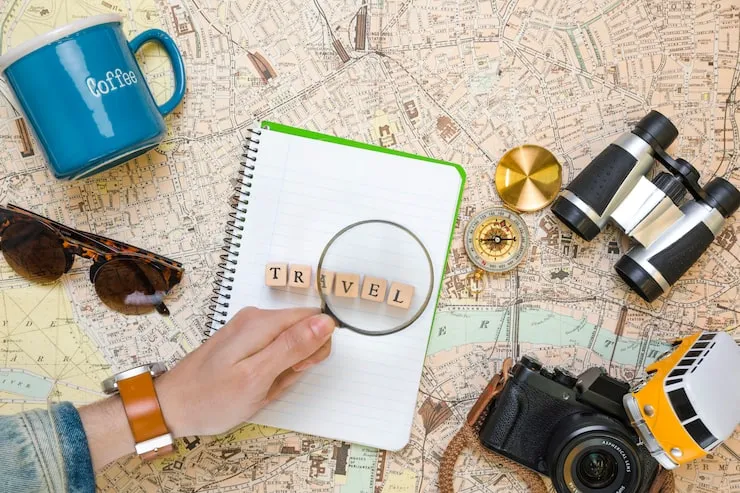
Let's talk about a secret that makes travel amazing. It’s not just the place you go. It’s knowing you can relax and enjoy it without worrying about money. That wonderful feeling comes from one thing: smart Travel Budget Planning.
Think of a travel budget like a map for your money. It shows you how to get from "dreaming about a trip" to "actually going on it" without any financial stress. This guide will show you the simple, step-by-step way to create your own plan.
Why a Vacation Budget is Your Best Travel Buddy
You might think budgets are boring or hard. They are not! A good budget is a tool for freedom. It helps you make smart choices. You decide where your money goes instead of wondering where it went. This means more ice creams on the beach, more museum tickets, and more fun souvenirs. Financial planning for travel turns your "maybe someday" into "I'm going next month!"
Your Step-by-Step [Travel Budget Planning] Guide
Follow these easy steps to build your money plan. Grab a notebook or open a simple spreadsheet. Let's begin!
Step 1: Dream and Research Your Trip Costs
First, dream big! Where do you want to go? A big city, a quiet beach, or mountains? Once you pick a place, it's time for some detective work.
Look up the big costs:
-
Flights or Gas: How much are plane tickets? If driving, calculate gas money.
-
Places to Sleep: Check prices for hotels, hostels, or vacation rentals.
-
Daily Spending Money: Research how much meals, bus tickets, and museum entries cost in that place.
This trip cost estimation is the foundation of your whole plan.
Step 2: Track Your Trip Savings Goal
Now, look at your research total. That number is your trip savings goal. This is how much money you need for your adventure.
How do you save it? Open a separate savings account just for travel. Give it a fun name like "Beach Fund" or "Mountain Money." Then, set up a small, automatic transfer from your regular bank account every week. Seeing this fund grow is so exciting!
Step 3: Break Down Your Travel Expense Categories
A good budget has categories. This makes it easy to track. Your main categories will be:
-
Getting There & Around (Transportation): Flights, trains, rental cars, gas, bus passes.
-
A Place to Stay (Accommodation): Your hotel or rental for each night.
-
Food & Drinks (Dining): Breakfast, lunch, dinner, and snacks.
-
Fun & Activities (Entertainment): Tours, park entries, boat rides, movie tickets.
-
Stuff to Bring Home (Souvenirs & Shopping): Gifts and mementos.
-
Just-in-Case Money (Emergency Fund): A little extra for surprises, like a lost suitcase or a sudden rainy day needing a new umbrella.
Step 4: Use Tools for Budget Tracking for Vacation
You don't need anything fancy. You can use:
-
A simple notebook.
-
A free app on your phone (like Google Sheets).
-
A colorful spreadsheet on your computer.
The key is to write your plan down. Before your trip, write what you think you'll spend. During your trip, write what you actually spend. This is the magic of budget tracking for vacation.
Clever Tricks to Stretch Your Travel Money
Planning is half the battle. Here are expert tips to make your money go further.
Finding Affordable Travel Deals
-
Be Flexible: Flying on a Tuesday is often cheaper than flying on a Friday.
-
Travel Off-Season: Visiting a place when it's less crowded can save big on hotels and flights.
-
Set Alerts: Use websites to set price alerts for flights. They email you when the price drops!
Saving on Accommodation and Food Expenses
-
Stay Slightly Outside: A hotel a few blocks from the main tourist area is often much cheaper.
-
Eat Like a Local: Have your big meal at lunch when many restaurants have special prices. Visit local markets for fresh, inexpensive snacks.
-
Book with Perks: Look for hotels that include free breakfast or happy hour snacks.
My Favorite Tool: The Daily Spending Allowance
This is the #1 tip for staying on budget. After you pay for your flight and hotel, take the rest of your money for food, fun, and souvenirs. Divide that amount by the number of days on your trip.
That number is your daily spending allowance. It’s your money to use each day. If you spend less one day, you have more for the next day! It makes spending decisions easy and fun.
Don't Forget the Hidden Travel Costs
Some costs are easy to forget. Remember to plan for:
-
Baggage Fees for airlines.
-
Resort Fees at some hotels.
-
ATM Fees for taking out cash.
-
Tipping at restaurants and for tours.
-
Travel insurance to protect your trip investment.
Adding these to your plan prevents surprise bills.
FAQs: Your Travel Budget Planning Questions Answered
Q: How much money should I save for a trip?
A: It completely depends on where you go and how you travel. Research is key! A good rule is to save your estimated total, plus an extra 10% for surprises.
Q: What's the best way to carry money?
A: Experts recommend a mix. Use a credit card with no foreign fees for big purchases. Have a little local cash for small markets and tips. Always tell your bank you are traveling first!
Q: I went over budget one day. What do I do?
A: Don't panic! This happens. Look at your daily spending allowance for the rest of the trip. Try to spend a little less for the next day or two to balance it out.
Q: Is travel insurance worth it?
A: As a seasoned traveler, I always say yes. A professional travel advisor, Sarah Chen, agrees: "For the cost of a few nice dinners, insurance can save you thousands if you get sick or have to cancel. It's essential financial planning for travel."
You're Ready to Adventure!
See? Travel Budget Planning isn't about restriction. It's about making your dream trip possible. It’s the smart, friendly map that leads to more adventures with less worry.
Start with your dream. Do your research. Track your savings. Use a daily allowance. You will be amazed at how far your money can take you. Now, go start planning your next great adventure with confidence