
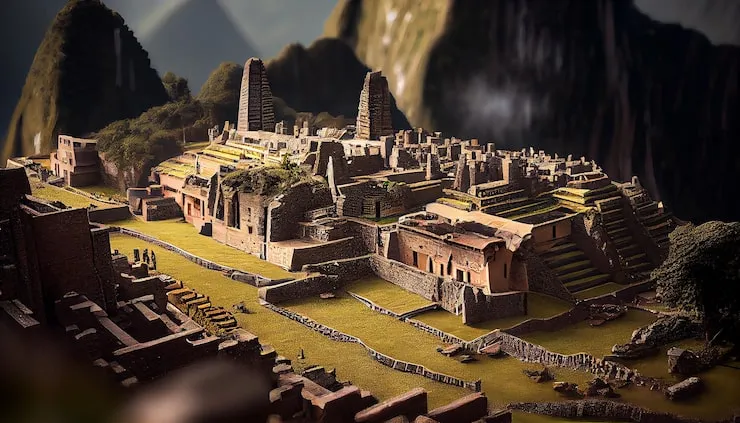
Think about the oldest stories you know. Now imagine a story that is 50,000 years old. Some people are still living that story today. Their cultures are the oldest in the world. They are not in history books. They are alive right now. These cultures have seen ice ages come and go. They have seen whole empires rise and fall. Yet, they are still here. They keep their old ways alive in our modern world. This is not just about old things. It is about strong people. It is about knowledge that has lasted longer than any city. Let's meet these ancient cultures still thriving today 2026.
What Makes a Culture "Ancient"?
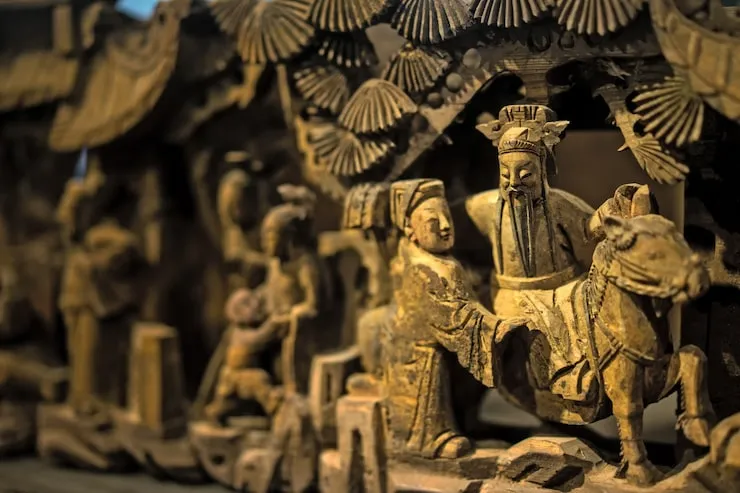
We call a culture old when it is exceptionally, exceptionally ancient. But it must too be lively nowadays. The individuals must still take after their ancient ways. They talk their ancient dialects. They tell their ancient stories. They live with the arrive like their precursors did. Their culture is unbroken. This implies it was not devastated or misplaced. The string from the to begin with individuals to today's individuals is not broken. They have kept their heart and soul secure for thousands of a long time. That is a genuine modern influence on old tribes.
Read Also: Why Frequent Travelers Plan Differently Than First-Timers
The Keepers of the Dreamtime: Aboriginal Australians
The to begin with culture we will conversation almost is from Australia. Native Australians have the most seasoned nonstop culture on Soil. Their story goes back at slightest 65,000 a long time. That is difficult to indeed think around. Their world is built on the Dreamtime. The Dreamtime is not fair stories. It is the law, the arrive, and their personality all in one.
Their Intelligence: They know the arrive like no one else. They can discover water in the forsake. They know which plants are nourishment and which are medication. This information was passed down through tunes and craftsmanship for thousands of years. Their Craftsmanship: They tell their history through works of art. You might have seen dab depictions. These are not fair lovely pictures. They are maps and stories approximately water gaps, creature ways, and sacrosanct places.
Today, Native individuals battle to keep their culture solid. They educate their kids both the ancient ways and the unused ways. They are craftsmen, officers, and storytellers for the entire world.
Living with the Land: The San People of Southern Africa
In the dry lands of southern Africa, the San individuals have lived for over 20,000 a long time. They are regularly called Bushmen. They are a few of the best trackers and seekers in human history. Their way of life is a culminate fit for the extreme environment they live in. Hunter-Gatherers: For most of their history, they did not cultivate. They moved with the seasons to discover nourishment and water. They chased creatures and assembled plants, nuts, and fruits.
A Special Dialect: They talk with tap sounds. These are sounds we do not utilize in English. Their dialects are a few of the most special in the world. Life is difficult for the San nowadays. Their arrive has been taken for ranches and parks. But they proceed to battle for their rights. They work to secure their arrive and share their profound information of the African bush.
A Culture of the Desert: The Indigenous Tribes of the Kalahari
Like the San, other bunches in the Kalahari Forsake have old roots. The Himba individuals of Namibia are one. They are known for their excellent ruddy skin and hair. This comes from a glue made from butterfat and ruddy ochre stone. It ensures their skin from the cruel leave sun. Family and Cattle: Their life centers on family and their cattle. Cattle are not fair creatures to them. They are a sign of life and riches. They utilize the drain and meat to live.
Passing on Conventions: Moms instruct girls how to make the ruddy glue and wear conventional dress. Older folks tell stories to keep the history alive. They confront challenges from advanced life and climate alter. But numerous Himba select to live in their conventional way. They appear the world you can be associated to an antiquated past in the display day.
The First Americans: Native American Nations
Long some time recently pilgrims came from Europe, the Americas were full of individuals. These were the Local American tribes. Societies like the Pueblo people groups in the southwest Joined together States have lived in the same range for over 3,000 a long time. They built entirety towns into the sides of cliffs.
Connection to Nature: Their societies are profoundly tied to the soil, sky, and creatures. They see themselves as portion of nature, not proprietors of it. Numerous ceremonies grant much appreciated to the soil and inquire for balance. Resilience: Their history has numerous pitiful chapters. But their societies did not conclusion. Nowadays, tribes work difficult to bring back their dialects. They run schools to educate their history. They are craftsmen, pioneers, and defenders of the traditions of the Maasai in 2026.
The Island Navigators: The Māori of New Zealand
About 1,000 a long time prior, astounding mariners found Unused Zealand. These were the Māori. They came in monster canoes from other Pacific islands. They brought their culture to a modern arrive and made it their home. The Haka: You may have seen the haka. It is a furious move with uproarious chants. It is a war cry, but too a way to appear extraordinary regard at enormous events.
Storytelling in Carving: They are ace carvers. They tell their family history and myths in wood. Their assembly houses are secured in these carvings. They are like books made from wood. The Māori culture is a huge portion of Unused Zealand's personality nowadays. Their dialect is an official dialect. Their craftsmanship is celebrated around the world. They appear how an old culture can be solid and present day at the same time.
You May Also Like: Most Preserved Cultural Heritage Sites You Must Visit Once
Why Keeping These Cultures Alive Matters?
These societies are not fair for historical centers. They hold information we all require. They know how to live in adjust with nature. They know around plants that can be pharmaceutical. They have stories that instruct us approximately being human. When an old dialect kicks the bucket, a way of seeing the world passes on with it. We all lose something extraordinary. Supporting these societies implies tuning in to them and regarding their rights to their arrive and their way of life.
How Can We Learn From and Help?
We can be companions to these societies from distant absent. We can purchase craftsmanship made by the individuals themselves. This makes a difference them win cash in a great way. We can examined books composed by Native or Local American creators. We can select to visit places that regard and back nearby tribes when we travel. Most of all, we can learn around them. We can supplant ancient, off-base thoughts with genuine regard for their astonishing history and their battle to keep it alive.
Frequently Asked Questions
Are these cultures stuck in the past?
No, not at all. This is a enormous botch individuals make. These societies are lively. The individuals utilize versatile phones, drive cars, and go to college. But they too select to keep their dialect, their ceremonies, and their association to their arrive. They mix the ancient and the unused in their possess way. They are not living in the past; they are carrying their past with them into the future.
What is the biggest threat to these ancient cultures today?
The greatest dangers are losing their arrive and their dialect. When their sacrosanct arrive is taken for mining, cultivating, or building, it breaks their profound association to it. When children are not instructed the local dialect, the ancient stories and information can blur absent. Climate alter too harms their conventional ways of finding nourishment and ancient cultures still thriving today 2026.
How do we know how old these cultures are?
Scientists utilize a few keen strategies. They can date antiquated campfire cinders or apparatuses found in the ground. They too ponder dialects to see how they have changed over time, like a family tree for words. Presently, they can indeed see at the DNA of cutting edge individuals and see how long their predecessors have been in one put. All these clues together tell us an astounding story of survival.