
Camping in India is not just about putting a tent on a hill. Real camping becomes special when you also learn about the people who live there. Their food, their songs, their way of dressing, and their stories make the night around the fire worth remembering. This article shows you the best places for cultural camping in India where you do not just sleep under the stars. You also wake up to a new way of living.
If you are tired of same looking resorts and city noise, these places will give you something real. You will sit with local families, eat from their kitchen, and hear tales that no book will tell you. Let us go straight to the ground.
What Is Cultural Camping And Why India Is Perfect For It?
Cultural camping means you camp close to a village or a tribal area. The local people are part of your stay. They might cook for you, take you to their farm, or show you their festival dance. You do not stay inside a fancy glass hotel. You stay on their land with their permission.
India has more than seven hundred tribal groups. Every hundred kilometres, the language changes. The food changes. Even the colour of the clothes changes. That is why India is perfect for cultural camping. You do not need to go to a museum to see culture. You just have to sleep one night in the right place.
Now let me take you to each spot. I will not just give you a name. I will tell you what you will feel there.
Read Also: Unique Cultural Experiences In Varanasi For Tourists
1. Spiti Valley In Himachal Pradesh – Camping With Buddhist Families
Spiti Valley is a cold desert mountain area. But the people here are warm. When you camp near Kaza or Kibber village, local Buddhist families come to meet you. Many of them run small home stays next to tent sites.
You will wake up to the sound of prayer flags fluttering. The air is very thin and very clean. In the evening, a family member will bring you butter tea. It is salty and tastes different. Do not say no. It is their way of welcoming you. Some camps also arrange a short walk to the local monastery. There you can see monks praying at 5 in the morning.
The cultural part here is not a show. It is their daily life. You can sit with an old woman while she turns the prayer wheel. You can try to learn two words of their Bhoti language. At night, the sky is full of stars because there is no city light. The family will sing a slow Buddhist song. You will feel small but in a good way.
Best time to go: June to September
What to keep: Warm clothes, a good sleeping bag, some dry fruits to share with the family
2. Majuli Island In Assam – Camping On River Island With Tribal Art
Majuli is the biggest river island in the world. The Brahmaputra river flows around it. The local tribal groups here are Mising and Deuri. They have kept their old ways alive. You can camp right next to a tribal household. Many community groups in Majuli have built simple campsites for visitors.
In the morning, you will see women making bamboo baskets. Their hands move very fast. You can ask them to teach you. They will laugh when you do it wrong but they will still show you again. The main cultural camping experience here is the mask making. The local Vaishnava monasteries make huge beautiful masks of animals and gods. Some camps take you to a mask maker’s hut. He will let you hold a half made mask and explain each colour.
In the evening, there is often a small cultural program. Young boys and girls perform a dance called Bihu. It is full of energy. You do not need to understand the language. Their shoulder and hip movements tell you the story of harvest and love. After the dance, you sit around a fire and eat rice cooked in bamboo pipes. That meal will stay in your memory for a long time.
Best time to go: October to March
What to keep: Mosquito repellent, a light cotton sheet, curiosity to ask questions
3. Khonoma Village In Nagaland – Camping With Warriors Green Path
Khonoma is not a usual camping spot. It is a village of warriors who later turned into forest protectors. The Angami tribe lives here. They were famous for hunting. But now they protect birds and trees. You can camp just outside the village boundary with their permission. Some families let you set your tent in their front yard.
The cultural part here is deep. A village elder will take you on a walk through the forest. He will show you which leaf stops bleeding and which root helps fever. This is not a scripted tour. He speaks whatever comes to his mind. You will hear stories of head hunting from fifty years back. But do not be afraid. Those days are gone. Now they hunt only wild boar once a year during a festival.
In the evening, the women make a local rice beer called Zutho. It is thick and a little sour. You drink it from a bamboo mug. Then someone starts a slow folk song. Soon more voices join. There is no music system. Just raw human voice echoing against the hills. You will forget to check your phone. That is the sign of good cultural camping.
Best time to go: October to May
What to keep: Respect for their rules, a small gift for the host family like sugar or tea leaves
4. Rann Of Kutch In Gujarat – Tent Camps With Nomad Crafts
Rann of Kutch is a white salt desert. During full moon, the ground shines like mirror. But the real culture is not in the big tent resorts. It is in the small village camps run by the Nomad communities like Rabari and Jat. These people move with their camels and goats. But during the winter, they set up camps for visitors.
You will sleep in a cotton tent with hand stitched patches. In the morning, a woman will show you how to make a patchwork cloth. She does not use a machine. Her needle moves in and out very fast. You can try to make one small square and keep it as a memory. The food here is simple but tasty. Fresh goat milk, roti made on cow dung fire, and a spicy vegetable curry.
In the evening, the old men bring out a single string instrument. They play it while humming a tune about the desert. There is no stage and no microphone. The fire crackles. The sound carries far into the white land. Before sleeping, you will hear the distant bell of a camel. That is your lullaby.
Best time to go: November to February
What to keep: Sunglasses for day, woollen cap for night, cash because cards do not work
5. Mawphlang Sacred Forest In Meghalaya – Camping With Khasi Belief Keepers
Mawphlang is not a normal forest. The Khasi tribe believes their gods live inside these trees. No one cuts a single branch. If someone does, the village priest has to perform a cleansing ritual. You can camp near the entrance of the forest in a designated spot. A local guide from the village will walk with you.
The cultural part is the belief system. As you walk through thick moss covered trees, the guide will point to a stone. He will say this is where the village chief spoke to the spirit. Then he will point to a twisted root. He will say a mother and child hid here during a war. Every rock has a story. Every tree has a name.
At night, you sit with the guide’s family. They serve a steamed dish of rice and fish wrapped in a leaf. You eat with your hand. They ask about your family. Not to be polite but because family is everything for them. Before sleeping, they ask you to not take any leaf from the forest. It is not a rule. It is a request to keep their god happy.
Best time to go: October to April
What to keep: Raincoat because Meghalaya is wet, waterproof shoes, a small notebook to write the stories
6. Tso Moriri Lake In Ladakh – Camping With Changpa Nomads
Tso Moriri is a high altitude lake. It is less crowded than Pangong. The Changpa nomads live here with their pashmina goats. They move from place to place with the season. But in summer, they set up temporary camps near the lake. You can stay in a tent next to their camp.
The cultural experience is raw. There is no toilet and no running water. But the Changpa people will share their fire with you. You will see a woman spinning pashmina wool into thin thread. She does it for eight hours a day. Her fingers never stop. You can try to spin. You will fail. She will smile without saying a word.
In the evening, a young boy takes the goats to the tent. The mother milks each goat by hand. You can drink the warm milk right there. It tastes of grass and mountain air. The nomads do not sing or dance for guests. But if you stay quiet, the old man might play a small mouth harp. The sound is like a drop falling on stone. That is their music.
- Best time to go: June to August
- What to keep: Diamox for altitude, high spf sunscreen, a big water bottle
You May Also Like: Cultural Etiquette Rules Every International Traveler Should Know
7. Chamba Valley In Himachal Pradesh – Camping With Gaddi Shepherd Families
Chamba is green and full of old temples. But the real cultural camping happens with the Gaddi shepherds. These people move their sheep up and down the mountain. During summer, they camp in high pastures called ‘jot’. You can join a shepherd family for three days.
You will walk behind the sheep for two hours to reach their camp. Then you help collect dry wood. The shepherd’s wife makes a thick lentil soup with mountain herbs. You eat sitting on a flat stone. Nobody asks your name. But they share their blanket with you at night.
The cultural lesson here is patience. The shepherds do not talk much. They watch the sky, the sheep, and the fire. If you sit with them long enough, one of them will point to a peak and say a short name. That peak belonged to their grandfather’s grandfather. No paper document. Just word of mouth. That is how culture stays alive.
- Best time to go: April to June
- What to keep: Walking stick, dry snacks, a small first aid box
What To Remember Before Going For Cultural Camping?
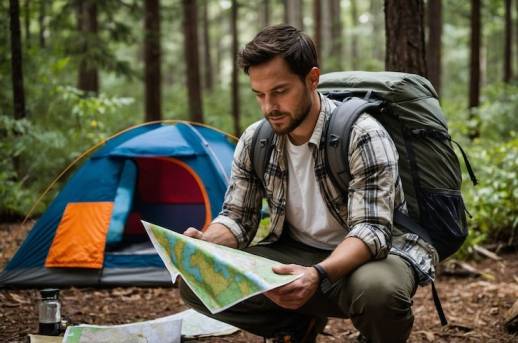
These places are not five star hotels. Do not expect a mattress or room service. The reward is not comfort. The reward is a real meeting with a different way of life.
Here are a few simple rules to follow so that you do not hurt the local feeling.
- First, always ask before taking a photo. Some tribal people believe a camera steals a part of their soul. Even if you do not believe that, you must respect their belief.
- Second, do not give money directly to children. It makes them stop going to school. If you want to help, give notebooks or pencils to the village head.
- Third, take your plastic waste back with you. These villages have no garbage truck. If you leave a plastic wrapper, it will stay there for ten years.
- Fourth, learn at least one word of their language. Hello or thank you is enough. It breaks the wall between a guest and a stranger.
- Fifth, do not compare their life with city life. Do not say things like “you must be so poor”. They are not poor. They have fresh air, clean water, and a close family. That is wealth.
Conclusing
Cultural camping in India is a slow way to travel. You do not cover many places. You sit in one place and let the place enter you. You eat what they eat. You sleep when they sleep. You laugh at things that are not funny in your language but become funny because of how they say it.
The seven places I shared with you are not just names. They are doors. Spiti opens to Buddhist silence. Majuli opens to river rhythm. Khonoma opens to warrior honesty. Kutch opens to desert colour. Mawphlang opens to forest faith. Tso Moriri opens to nomad strength. Chamba opens to shepherd patience.
Pick one place. Not for a weekend. Keep five days. Go without a tight plan. Sit with the people. Let them teach you their version of a good life. That is the real camping. That is the real culture. And that is something no AI can write because AI has never sat on a cold mountain night, shared a blanket with a stranger, and best places for cultural camping in India.