
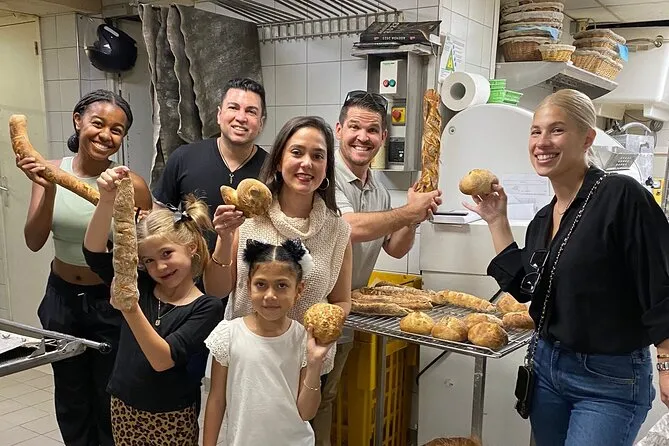
The situation offers more than just recipes. It lets you see boiling as part of a life alive with good food, old streets, and local smell of dough. In this article, you will recite about what you can expect from such a vacation. You will see how each country adds its own flavour.
These classes provide more than just a meal; they offer an insight into the heart of a place through the situation food. I know I could probably parse the formulae and techniques watching a YouTube video and I have completed so for many dishes in past, but nobody beats learning it from a resident, or a professional in some cases.
Here is just something to be said for making and eating a dish in the country that invented and/or perfected it. Yana’s passion for cooking then linking with people after across the globe shines through, so this is a don’t-miss doubt you find yourself in Sofia.
There wasn’t any disposal shown on Airbnb when I was in Sofia, so I just messaged her, and she was more than willing to work with me to discovery a date that worked for both of us while I was in town.
Where Travelers Can Learn to Bake Like Locals?
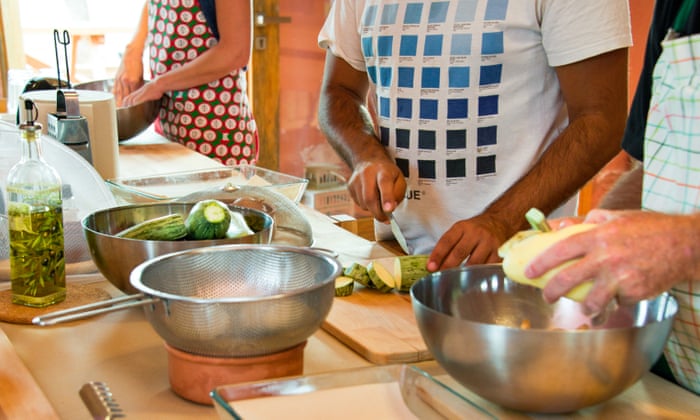
First, you arrive in a town that Odors like flour and yeast. The air might transmit a faint promise of fresh bread or breads. Your host might be a local banker who has erudite from parents or from the old masters. On day one you might feel hesitant of what to imagine.
Read Also: Why Baking Vacations Are the New Trend Among U.S. Travelers
But soon, you will tie a tight apron around your waist. You strength wipe your hands on a kitchen towel. Then you will listen to instructions from a bread maker with gentle patience. You will learn to amount flour.
You will mix flour, water, salt, yeast or butter. You will learn to massage dough until it feels smooth then soft. Your hands will feel the change: from stiff flour to elastic dough. This is enchanted. It is real. And this is just the start of your baking vacation.
In Italy, the mood is warm and friendly. The towns are often built with old stones. They have narrow lanes. The baker teaching you might wear a simple shirt and speak with heat. You hear words like “pane”, “farina”, “lievito”. He might explain how to use a wood-fired oven.
You see firewood burning slowly. The oven glows red. The baker slides in a round loaf. Then after a while, you hear a hollow sound when you tap the crust. That means the bread is done. You pull it out. The crust is crisp.
The bread smells nutty and alive. You slice it. Steam from inside rises. The crumb is soft. Warm. Real. You taste a piece, maybe with olive oil and sea salt. The flavour is simple yet rich. You understand why so many generations have baked bread this way.
First, you might learn to make baguettes. The baker shows you how to weigh flour, water, salt. She mixes dough. She lets it rest. You pleat the ends. You place it on a wooden board. With a small blade, you score slanting cuts crossways the top.
Then you lift the situation gently onto a peel and into the oven. While it bakes, you wait. The smell fills the room. Advanced, you lift it out. The crust crackles. You tap it. Resonating sound. The inside is lenient and full of air pouches. You slice it then taste it. The crumb is tender, almost soft. The crust is crunchy. You taste wheat, a hint of salt, a little sugariness. That first bite may makes your eyes close.
Best Destinations for Interactive and Authentic Baking Experiences
You might also learn to make croissants. That takes care, patience, and folding dough many times with butter. The baker shows you how to roll the dough thin. She spreads butter in a thick sheet. She folds, turns, rolls. She repeats. The dough becomes many thin layers.
You cut triangles. You roll them, wide side first. You let them rise. Then you bake them. Soon the bakery smells of golden pastry. On the first bite, the croissant flakes. The layers separate. The pastry is light and buttery. The taste is rich but gentle. You understand why croissants are called a small luxury.
You might also bake sweet treats like tartes, made with fruit from the market. Or small cakes scented with almonds or vanilla. You learn not only the recipes. But also, the rules. The dough must rest. Butter must be cold. Oven must be just right. Crust must crack. Crumb must feel light. Baking here is not rush. It is care. It is art. It is respect for each step.
You Must Also Like: How to Eat Sustainably While Traveling Abroad
In France, there is also a sense of public. Early morning, residents line up with daily bags. They wait for fresh bread. The baker hands them warm loaves. The customers greet the baker as a friend. They might exchange a quick word about the weather. Or the latest news.
And they walk away carrying a baguette under their arm. On your baking vacation, you may join them. You may bring home a baguette for lunch. You may sit under a plane tree. You may sip tea or coffee. You taste bread warm from the oven. You feel connected to that place. You feel you are part of their morning rhythm. This is more than baking. It is belonging.
Then comes Spain. You walk past galleries by hanging washing. The streets echo by laughter and music. Your odor emerald oil, boiling peppers, and fresh bread. On your baking vacation, you might start in a sunlit bakery.
The baker may greet you in gentle Spanish or a soft local dialect. You may hear “pan”, “harina”, “aceite de oliva”. You feel the heat from the oven. You smell a mix of cash and spices.
In Spain, baking frequently mixes with Savory flavors. Your strength learns to make a flatbread topped with resident potatoes. Or a focaccia-like loaf fleecy with olive oil and herbs.
Final Thoughts
You might learn how to make rustic loaves with whole straw, or with a bit of cornmeal, giving bread a gritty texture and a excellent type.
The baker may also display you how to bake small cakes before biscuits flavoured with citrus peel, almond, or anise. Or you might try a humble pastry filled with fruit jam. Each recipe feels warm, simple, and honest.
If you love bread. If you love pastry. If you love warmth in a golden oven. If your delightful slow mornings in early towns. If you love the smell of flour then yeast. Then a sweltering vacation might remain your next adventure. It forte change you. It forte feed your heart as much as your belly. It might stay with you forever.