
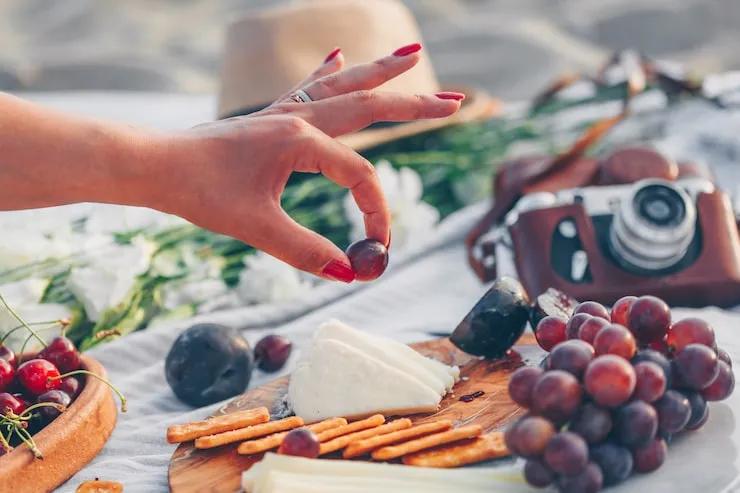
If you have ever travelled somewhere and realise the best part of the whole trip was the food, you are not alone. More people today plan vacations around what they want to eat, not just what they want to see and honestly? It really makes sense. Good food tells you more about a place than any postcard ever good. So if you have been wondering how to plan a culinary tourism trip based on your food interest, the process is easier than it sounds. You do not need to be a chef, a foodie blogger or someone who knows kind of cheese. You just need curiosity and an empty stomach.
Start with what you actually love to eat
Before you even search for flights, grab your notes app and write down a few things –
- Foods you crave
- Foods you always order
- Foods you want to try, but never had
- Foods you grew up with
- Foods you Miss
For example,
- If you love noodles, then think Thailand, Japan, and Vietnam
- If you love pastries that France, Austria and Singapore bakeries
- If you love seafood, then Greece, Portugal, Kerala and Sri Lanka
- If you like wine with cheese, then Italy and France with Spain
You taste are basically your travel agent here.
Choose your destination based on your food personality
Culinary tourism is not about choosing the trendiest place, it is about choosing a place where every meal excites you.
Here is a quick cheat sheet, for street food lovers
- Bangkok
- Mexico City
- Kuala Lumpur
- Istanbul
- Delhi
For bakery with desert lovers
- Paris
- Vienna
- Tokyo
- seoul
For spice with bold flavours
- Kerala
- Morocco
- Mexico
For wind with relaxing dinners
- Napa Valley
- Cape Town
- Tuscany
- Provance
For seafood fans
- Portugal
- Japan’s coastal town
- Sri Lanka
- Norway
Match destination with your favourite flavour profile, and you are already halfway done.
Research local food culture, but not just on Google
Here is a human trek, do not rely on typical travel blogs. They all repeat the same top 10 foods .
Instead, try this –
- Search traditional food for country, Local eat
- Watch YouTubers, who live there
- Read reddit threats about hidden food sports
- Follow local chef on Instagram
- Look at restaurant menu before going.
This gives you more real picture of what people actually eat there.
Build a small food bucket list for the trip
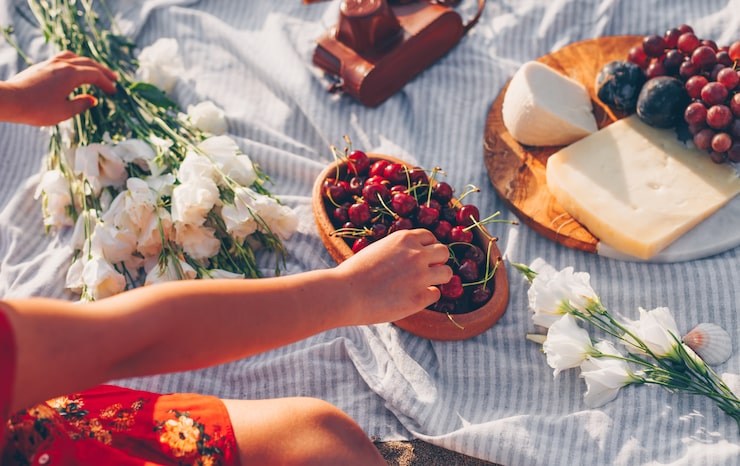
Once you know the food culture, make a tiny list of must try items. Not 300 dishes. Just 10 to 15 dishes. For example in Tokyo.
- Ramen
- Macha Desert
- Sushi
- Taiyaki
- Tempura
For example, in Italy
- Truffle pasta
- wood fire pizza
- Fresh ricotta
- Silicon cannoli
This list keeps your trip organised without feeling like homework.
Choose where to stay based on food, not landmarks
This out funny, but it is smart.
Do not pick hotel because it is near the city Centre. Pick a hotel because it is near,
- Markets
- Bakery
- street stalls
- Famous restaurants
- Night food streets
Food cities have hot pockets of amazing meals. Eating becomes easier when these pockets are your neighbourhood.
Plan at least one market visit
Every food base trip needs a market stop. Farmers market show you,
- Local fruits
- Spices
- Snacks
- Cultural habit
- Festival food
Best part? Markets are cheap and give you more local flavour than any museum.
Add one cooking class to your itinerary
People think cooking classes are just what tourist, but honestly they are fun. You learn something you can take home.
Choose classes where,
- Local technology
- You pick gradient yourself
- They can explain the culture behind dishes
- Recipes are simply enough to try later
You will remember flavours more deeply when you cook them yourself.
Plan your days around eating times
Here is the secret season food, travellers know,
Breakfast, lunch, and dinner deserves as much planning as site seeing. For example,
- Morning start with bakery
- midday start with busting market area
- Evening with iconic restaurant
This rhymes make the trip smooth and fun.
Try both famous sports and small local places
A good culinary tourism trip has balance. Famous places give you,
- Iconic dishes
- History
- Must try signature food
Hidden places, give you,
- cheaper meals
- More authentic conversations
- Flavours tourist usually miss
Do both. That is the perfect food mix.
Talk to local – they know the real food
Whenever you travel, ask these people –
- Taxi drivers
- hotel cleaning staff
- Shopkeepers
- Market vendors
Ask them, what do you eat for breakfast, lunch, and dinner? The answer is our gold.
Take it slow – do not try everything at once
Food burn out is real. You do not need to eat 10 new dishes a day. Spread it out.
- Some days try one meal.
- Other day, try three.
- Listen to your body.
Culinary tourism is about surviving, not stuffing.
Document the food, but do not make it a job
Take photos, jot downloads, save receipt – We helps you remember, but do not turn into a content production event. Food memories, stick better when you are fully present.
Sample itinerary
Hair is a mini sample for a four day, culinary trip, flexible for any country
Day one
- Local market breakfast
- Try 2 to 3 signature Street snacks
- Explore cultural landmarks
- Dinner at a recommended local restaurant
Day 2
- Coffee with bakery morning
- Launch dish unique to that region
- Food tour for evening
Day3
- Cooking classes
- street food crawl
- Sunset drink at a local bar
Day4
- Brunch at a popular spot
- Last minute food shopping
- Traditional desert before flying back
This plant keeps food at a centre without over your days.
FAQ's
Q: Do I need food knowledge to plan a culinary tourism?
Not at all. Just know what you like to eat.
Q: What if I am picky eater?
Even then, food based travel work. Just choose countries with familiar flavours.
Q: Are cooking class worth it?
Yes – there is a fun, memorable and surprisingly useful.
Q: How many restaurant should I book an advance?
Only famous ones. Small local spot do not need reservations.
Q: Is a street food safe?
Choose busy stalls. If local eat there, you are fine.
Q: What if I do not drink alcohol
Zero issues – culinary tourism is mostly food, not drinks
Q: How much budget should I keep for food?
Depends on destination. But always allow extra food trips to surprise you.
Read More:- How to Eat Sustainably While Traveling Abroad
Conclusion
Planning of food focused vacation is one of the most rewarding way to travel. When you base your trip on what you love to eat, The whole experience becomes Richard – more flavour, more culture, more stories to bring home. From exploring markets to trying street snacks, from eating at famous restaurant to taking cooking classes, culinary tourism, opens your eyes to a new side of the world. Start with your favourite food, choose a destination that matches your taste and let your appetite shape the journey because when food leads the way, the memories last longer – and the trip feels genuinely yours.