
You book a trip to Rajasthan. You see photos of forts and desert. But you also think about the food. Everyone says Rajasthani food is very good. But when you reach there, you feel lost. Every hotel says they serve local food. But the taste is not real. It feels like the food is made for people who do not like spices. Or it feels like the food is made in a hurry. This happens with many tourists.
I have seen this problem so many times. My own cousin went to Jaipur last year. He ate at a big hotel near the railway station. The dal baati was soft like bread. The gatte had no taste. He thought maybe Rajasthani food is not for him. Then a local auto driver took him to a small eating place behind the bus stand. That place had no name board. But the food was something else. The taste was strong. The ghee was real. He called me after that and said now I understand what real Rajasthani food is.
So this article is for tourists like my cousin. You do not need to spend a lot of money. You do not need to go to five star places. You just need to know a few simple things. I will tell you what to eat, where to find it, and how to eat it. No hard words. No long lists. Know more about the authentic rajasthani food experience for tourists.
What Does Real Mean in Rajasthani Food?
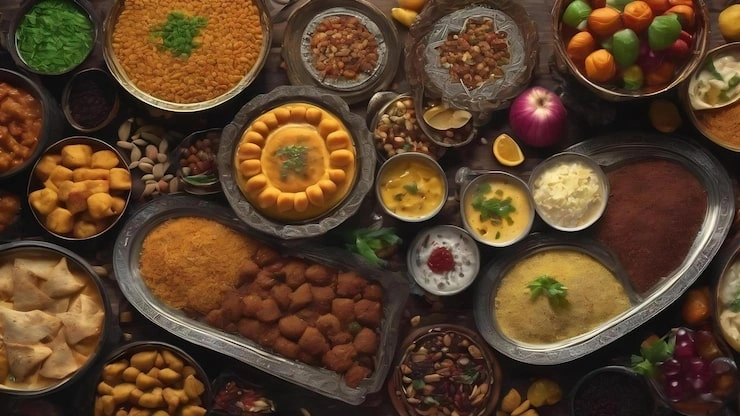
When we say real food, we mean the food that local families eat at home. Or the food that small local eating places make using old methods. This food is not changed for foreign tourists. It is not made less spicy. It is not made less oily. It is made the way it has been made for many years.
Real Rajasthani food has a lot of ghee. Yes a lot of ghee. If you are not used to ghee, your stomach will feel heavy. That is normal. Local people also feel heavy. That is why they drink chaas after food. Chaas is butter milk with salt and a little green chili.
Real food also uses ingredients that grow in the desert. Like ker and sangri. These are not fancy vegetables. They are wild things that grow without much water. Local people dry them and store them for the whole year. When you eat them, you are eating the history of that land.
One more thing. Real Rajasthani food does not come on a big plate with many small bowls in a hotel. It comes on a simple steel plate. Sometimes on a leaf plate. Sometimes just on a piece of paper. Do not judge the food by its plate. Judge it by its smell and taste.
Read Also: Traditional Bengali Recipes For Beginners At Home
The Dishes That Give You the Real Taste
I will not give you a long list. Long lists confuse tourists. I will give you five dishes. These five dishes are enough to understand the real food of Rajasthan.
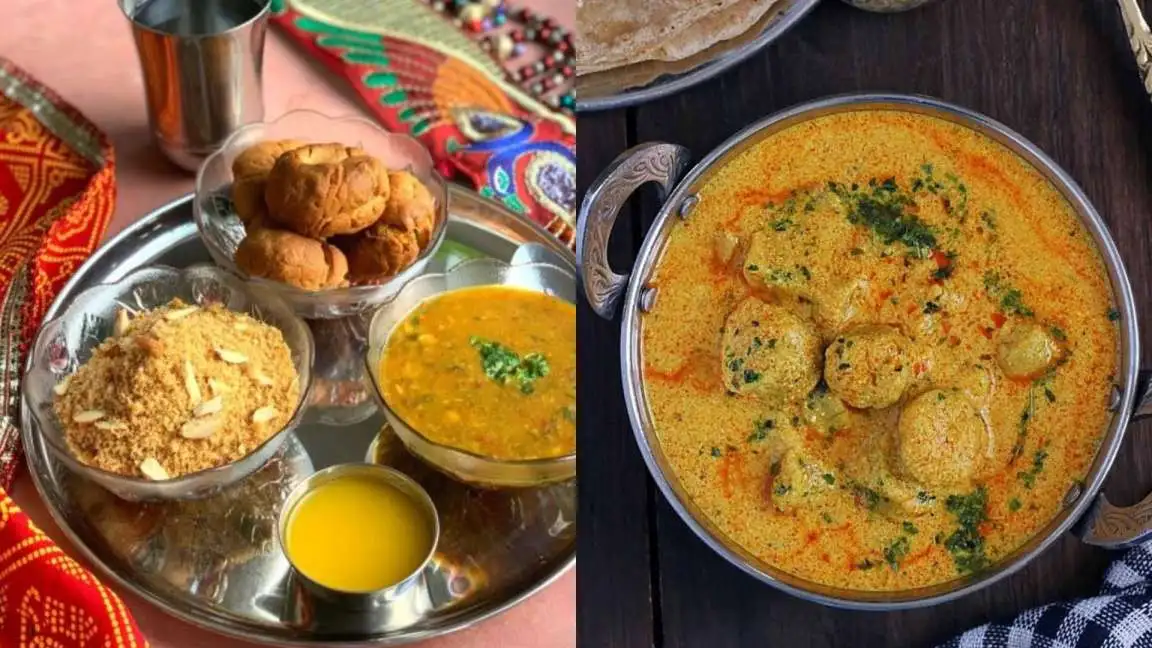
Dal Baati
This is the first dish you must try. But you must try the right version. The real baati is not soft. It is hard on the outside. It is cooked on fire made from cow dung. That fire gives a smoky smell. You cannot get that smell from a gas stove. So when you eat baati, look for that smoky smell. If there is no smoke smell, it is not real.
After the baati is cooked, the person breaks it with his hands. Then he puts a lot of melted ghee on it. Then he pours hot dal on top. The dal is made from toor or moong. It is thin dal, not thick. You mix everything with your hand. Then you eat.
One tip for tourists. Do not eat the baati without crushing it properly. Many tourists take a big piece and dip in dal. That is not how local people eat. You must crush it so the dal goes inside the baati. Only then you get the full taste.
Gatte Ki Sabzi
Gatte are small round pieces made from gram flour. Gram flour is called besan. Local women mix besan with spices and a little oil. Then they make small cylinder shape pieces. They boil these pieces in water. Then they cut them into small rounds. Then they cook these rounds in a gravy made from yogurt.
The gravy is sour and a little spicy. The gatte inside are a little chewy. This dish has no green vegetable. It is a complete dish on its own. You eat it with millet roti or rice.
Many tourists make the mistake of eating gatte ki sabzi that is too smooth. Real gatte ki sabzi has small lumps. The gravy is not completely smooth. That is a good sign. It means the yogurt was real and the gatte were made by hand.
Laal Maas
Only eat this if you eat mutton. Laal maas is a mutton dish. It is very red. The red color comes from a local red chili called mathania. This chili is not very hot like other red chilies. But it gives a deep red color and a very good smell.
The mutton is cooked for a long time. Sometimes three to four hours. The gravy is thick. You see oil floating on top. That oil is not bad oil. That is the oil from the mutton and the ghee and the spices. That oil holds all the taste.
When you eat laal maas, eat it with hot rice. Or eat it with millet roti. Do not eat it with plain bread. The bread will soak all the gravy and the taste will become less. With rice or millet roti, you get the full taste in every bite.
One warning. Some places make laal maas very very hot. If you cannot eat too much chili, ask them before ordering. Tell them make it medium. Local people will understand. They will not feel bad. They want you to enjoy.
Ker Sangri
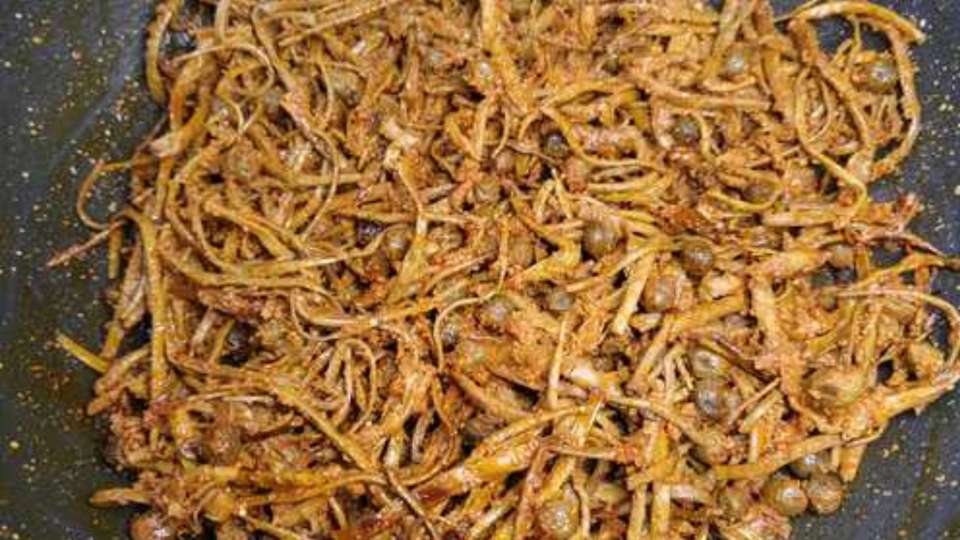
This dish is for tourists who want to try something really different. Ker is a small wild berry. It grows in the desert without any help. It is sour and a little bitter. Sangri is a long bean that grows on a local tree. People dry both in the sun. Then they store them in big containers.
When you cook ker sangri, you first soak them in water overnight. Then you cook them with spices and a little oil. The final taste is dry. There is no gravy. You eat it with millet roti and a spoon of ghee on top.
Many tourists do not like ker sangri the first time. The taste is not like normal vegetables. It is an acquired taste. But if you eat it two three times, you start liking it. And you feel proud that you tried the real desert food.
Churma
Churma is a sweet. It is made from wheat flour, ghee, and jaggery or sugar. Sometimes people add dry fruits. The dough is made into small balls. These balls are fried or baked. Then they are crushed. Then more ghee and jaggery is added. The final thing looks like small crumbs.
You eat churma with your hand. You take a small amount and press it. Then you put it in your mouth. The ghee melts in your mouth. The sweet taste stays for a long time.
Local people eat churma in the middle of the meal. Not at the end. They take a bite of dal baati, then a small bite of churma. The sweet and salty mix is very good. Try this way. You will understand why local people do it.
Where to Find These Dishes City by City?
I will give you simple directions for four main tourist cities. No hard to remember names. Just clear authentic rajasthani food experience for tourists.
Jaipur
In Jaipur, do not eat near the big hotels on MI Road. Those places change the taste. Go to the old city near the Hawa Mahal area. Look for small eating places that open only for lunch. These places have no menu card. They have one or two dishes. That is it. If you see a place selling only dal baati and nothing else, that is a good sign.
Also go to the area near the bus stand. The Sindhi Camp bus stand. Around that area there are many small stalls. One stall sells only gatte ki sabzi with millet roti. Another stall sells only churma ladoo. Buy from these stalls. The food is fresh because they make it in small amounts.
One more place. There is a market called Rawat Mohalla. In that market, you will find a small shop that has been there for forty years. The shop has no name. But local people line up there at one in the afternoon. Join that line. The food will be good.
Jodhpur
In Jodhpur, the food is more spicy. Local people like more chili and more garlic. Go near the clock tower. That area is called Sardar Market. Around that market, there are many small eating places. Look for a place that has big steel pots on a fire. That place is making laal maas or gatte.
Do not go to the roof top restaurants near the fort. Those places have a good view but the food is not real. They make the food less spicy for foreign tourists. Go down to the ground level. Go to the streets behind the market. That is where local workers and shopkeepers eat.
You May Also Like: Authentic South Indian Breakfast Recipes At Home
Udaipur
Udaipur is a little different. The food here is less spicy. Local people use more yogurt and more dried fruits. Go to the area near Jagdish Temple. There is a small street called Bada Bazaar. On that street, you will find small dining halls. These dining halls serve unlimited thali. The thali has four five dishes. The taste is very close to home made food.
Do not go to the lake side roof top restaurants. The view of the lake is very good. But the food is made for tourists from other countries. You will not get the real taste there. Go inside the city. Go away from the lake. That is where real food is.
Jaisalmer
In Jaisalmer, the food is very simple. Not many spices. Not much oil. This is because the desert is very hot. Local people eat light food. Go to the area near the fort entrance. There is a small lane on the left side. In that lane, there is a eating place called something bhojanalaya. I cannot remember the full name. But you will see a board with yellow letters. That place makes very good ker sangri and millet roti.
Also if you go on a desert camp, ask them what they are serving. Some camps serve cheap food from the city. The good camps make food on open fire in the desert. The smoke and the sand and the open sky make the food taste better.
How to Eat Without Making Your Stomach Upset?
This is a real problem for many tourists. You eat one meal of real Rajasthani food and your stomach feels very heavy. Or you get loose motion. This does not mean the food is bad. It means your body is not used to so much ghee and millet.
Here is how you avoid this problem.
First, do not eat a heavy meal as soon as you reach Rajasthan. Give your body one day to adjust. Eat light food on day one. Rice, curd, plain roti. Then on day two, try one heavy dish. Eat a small portion. See how your body feels.
Second, drink chaas with your meal. Chaas is butter milk with salt. It helps your stomach break down the ghee. Local people drink chaas after every heavy meal. Do the same. If you cannot find chaas, drink plain water at room temperature. Do not drink cold water. Cold water will make the ghee hard inside your stomach.
Third, eat slowly. Very slowly. Take a small bite. Chew it many times. Wait for a minute. Then take the next bite. This gives your stomach time to send signals to your brain. When you eat fast, you eat more than you need. Then you feel sick.
Fourth, do not eat heavy food at night. Eat heavy food only between twelve and two in the afternoon. Your digestion is strongest at that time. At night, your digestion is slow. So eat khichdi or porridge at night.
Simple Signs of a Good Real Food Place
You do not need a website or a review to find good food. Just look for these signs.
The first sign is local people. If you see many local people eating there, the food is good and safe. Local people will not eat at a place that makes them sick. They also will not eat at a place that changes the taste.
The second sign is the smell. When you walk near the place, you should smell ghee and smoke and spices. Not too strong. But you should feel it. If you smell nothing, the food is probably not fresh.
The third sign is the owner. If the owner is sitting and eating his own food, that is a very good sign. That means he trusts his food. If the owner is not eating his own food, ask yourself why.
The fourth sign is the kitchen. You do not need to go inside. Just look from the outside. If you see big pots on fire, if you see people making roti by hand, if you see steam coming out of the pots, the food is fresh and real.
Mistakes to Avoid
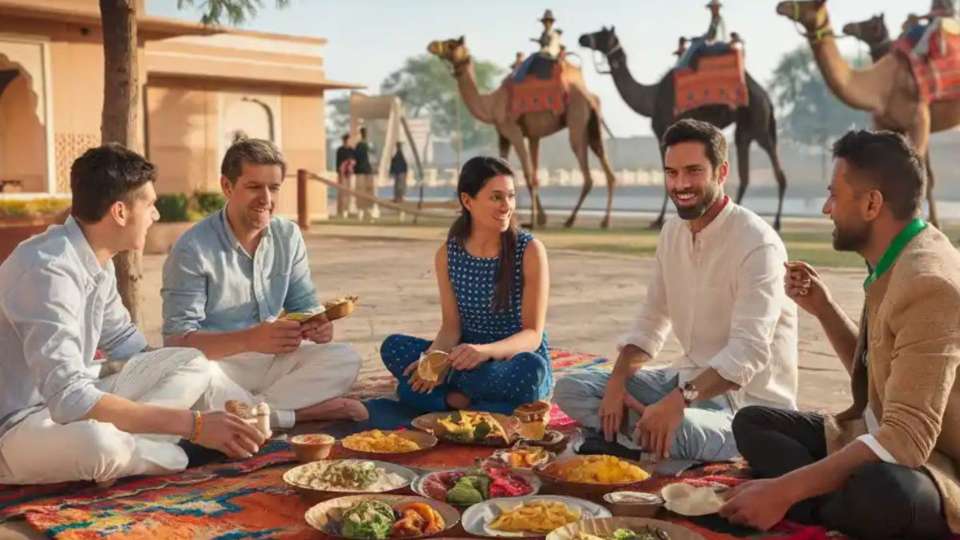
Let me tell you some mistakes I have seen tourists make again and again.
One mistake is asking for less oil. When you ask for less oil, the taste changes completely. Rajasthani food needs ghee. Without ghee, it is not Rajasthani food. If you cannot eat ghee, then eat something else. Do not ask them to change the dish.
Second mistake is eating only at places that have photos of food on the menu. Those places are for tourists. Real local places do not have photos. They have a simple list written on the wall. Or no list at all. You just ask what is there today.
Third mistake is eating the same dish everywhere. Do not eat dal baati in every city. In Jaipur, dal baati is good. In Jodhpur, try laal maas. In Udaipur, try gatte. In Jaisalmer, try ker sangri. Each city has its own special dish.
Fourth mistake is giving up after one bad meal. One bad meal does not mean all Rajasthani food is bad. Maybe that place was bad. Try another place. Try another dish. Give the food a real chance.
A Simple One Day Food Plan
Here is a plan for one full day of eating. Follow this and you will feel good and taste good.
Morning. Wake up and drink one glass of warm water. Wait for thirty minutes. Then go out. Find a small stall selling poha. Poha is pressed rice with a little onion and green chili. Eat one small plate. Do not eat more.
Mid morning. Around eleven. Drink one glass of chaas. Not sweet. Salted chaas. This will prepare your stomach for lunch.
Lunch. Between twelve and two. Go to a small eating place. Order a thali that has dal baati, gatte ki sabzi, and churma. Eat a small baati. One baati is enough for first time. Eat the gatte with millet roti. Eat two small pieces of churma. Drink chaas in between. Finish your meal.
Afternoon. Rest for one hour. Do not lie down immediately. Sit or walk slowly. Drink water after one hour. Not before.
Evening. Around six. Go for a walk in the market. Eat one small samosa or one kachori. That is enough. Do not eat more.
Night. Around eight. Eat a light dinner. Khichdi is best. Khichdi is rice and moong dal cooked together. Add a spoon of ghee on top. Eat with a little pickle. This will make your stomach feel light and happy.
Sleep. And then repeat the same on day two but with different dishes. Try laal maas for lunch. Try ker sangri for dinner.
Conclusion
Rajasthan is a beautiful place for many reasons. The food is one of the biggest reasons. But you have to find the real food. It is not in the big hotels. It is not on the roof top restaurants. It is in the small lanes, in the busy markets, in the places where local people sit and eat without any rush.
Do not be afraid to try. Do not judge a place by its outside look. Some of the best food I have eaten in Rajasthan was from a shop that had oil stains on the wall and old broken chairs. The owner did not speak English. But he made food that made me close my eyes with every bite.
You can have that same experience. Just follow what I have told you. Eat slowly. Drink chaas. Eat heavy food only in the afternoon. Look for local people. Trust your nose more than your phone.
And one last thing. When you find a good place, tell the owner. Say thank you. Say the food is good. That small happiness will make your food taste even better.